Security Radios for UK Teams and How They Are Used at Events
How security teams use two-way radios and Push-to-Talk over Cellular to coordinate crowds and respond to incidents across UK festivals, sporting, corporate and public events
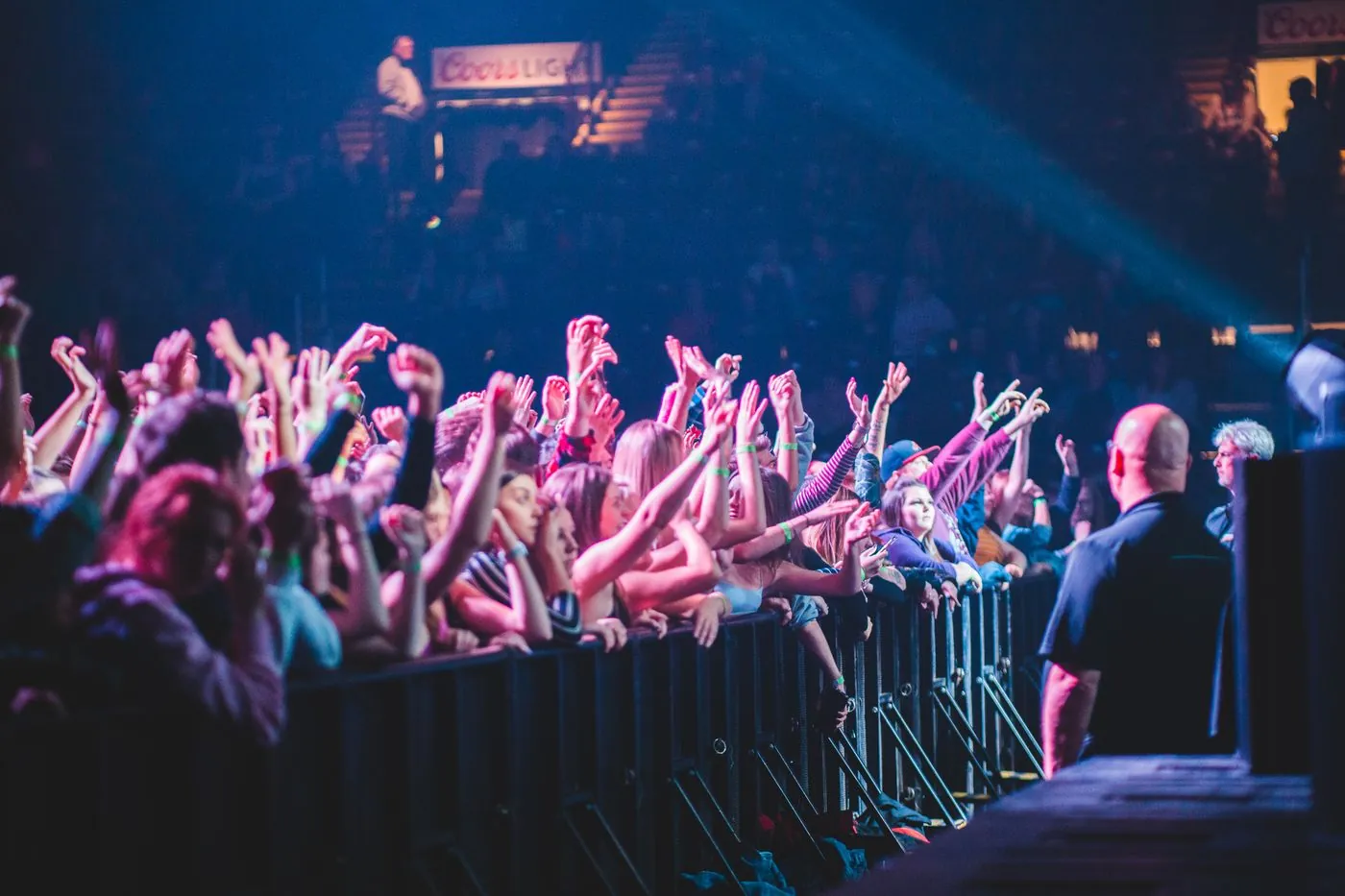
Event security communication is shaped by real conditions on the ground, not theory. Noise, crowd density and temporary infrastructure all affect how teams stay connected, which is why radios remain a dependable way for UK security teams to coordinate in real time.
This article explains how security teams use radios across different UK events, from festivals and sporting fixtures to corporate venues and public celebrations, and how those needs shape the communication choices they make. For a broader look at the systems themselves, it sits alongside our guide to communication systems for large events.
Why Security Teams Rely on Radios at Events
Security teams rely on radios at events because the conditions make other options unreliable. Large crowds, loud environments and temporary infrastructure put mobile networks under strain, particularly at peak times, while radios give instant one-to-many communication that does not depend on consumer calling or messaging.
A radio message reaches one person or a whole team at once, with no dialling and no waiting, which helps teams act quickly and consistently when a situation changes. For supervisors, radios also give visibility and control across zones, so they can direct staff and escalate a response without leaving their position.
Communication is also part of legal preparedness. Under Martyn’s Law, the Terrorism (Protection of Premises) Act 2025, events expecting 200 or more people will need public protection procedures in place, including staff communication arrangements, once the law comes into force.
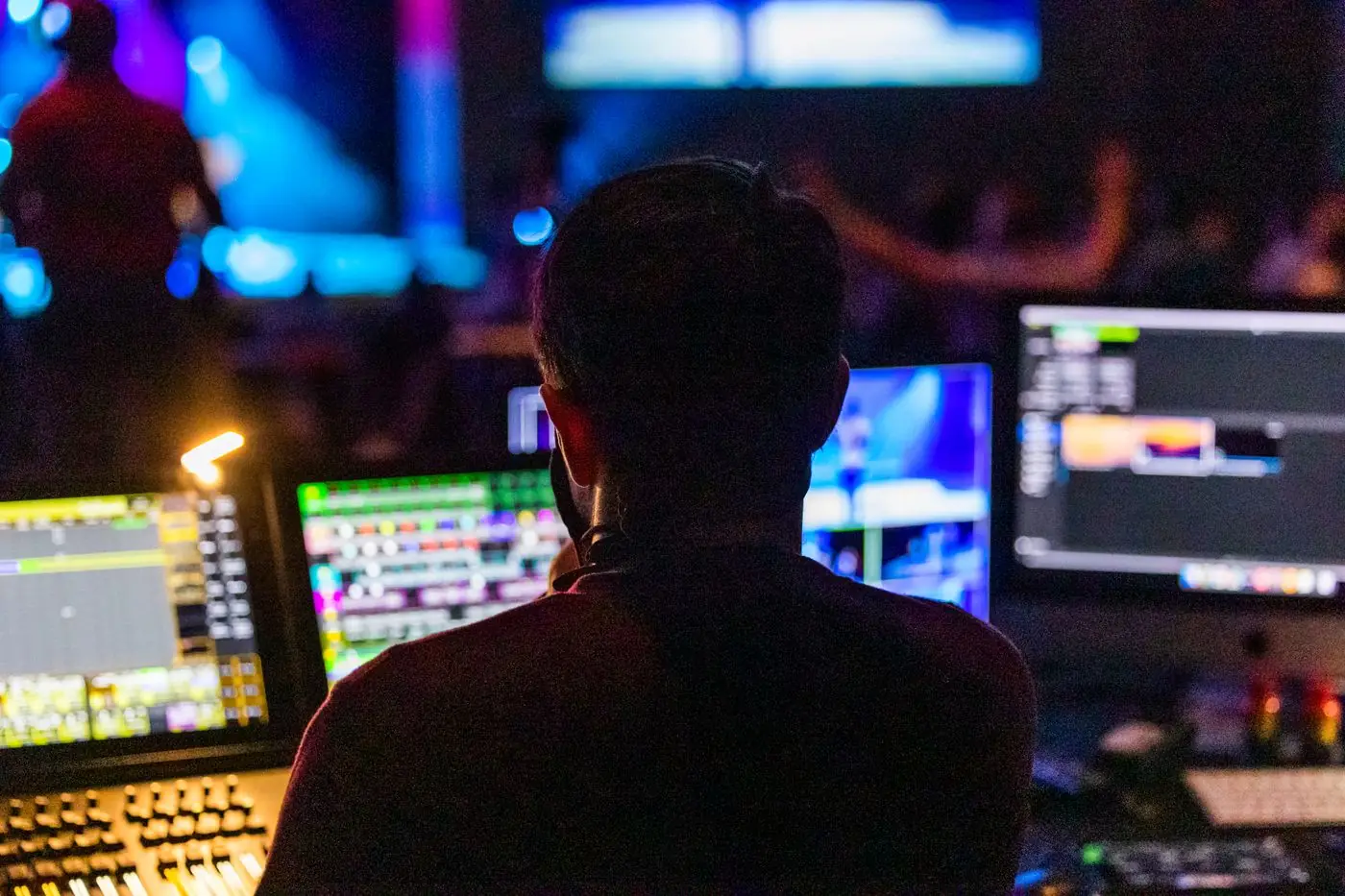
How Security Teams Use Radios During Live Events
Security teams use radios continuously through an event, not only in emergencies. They rely on them to maintain order, prevent incidents and coordinate responses discreetly from setup through to close.
Typical uses include:
| Typical uses during a live event |
|---|
| Coordinating staff movement and shift changes |
| Reporting suspicious behaviour or crowd issues |
| Requesting assistance without drawing attention |
| Liaising with control rooms, stewards and medical teams |
Clear audio and instant communication help teams resolve issues early, before they escalate.
How Radios Are Used Across Different UK Events
Security communication needs change with the type of event. The constant is the same, reaching the right person instantly in difficult conditions, but what that looks like differs across festivals, sporting venues, corporate events and public celebrations.
Music Festivals and Concerts
Festivals and large concerts place some of the heaviest demands on communication. Sites are spread over wide areas, with temporary structures, high noise levels and large crowds, so security teams use radios to manage entry and exit points, monitor crowd density near stages, coordinate patrols across campsites and perimeters, and respond quickly to medical or welfare incidents.
Here communication has to stay reliable from early setup through to late-night operations, so battery life, audio clarity and wide-area coverage matter most. Rugged devices such as the iPTT P400 are built for these conditions. Clear communication also supports safer crowd management, in line with Health and Safety Executive guidance on monitoring and managing overcrowding at events.
Sporting Events
Sporting events such as football matches, tennis and motorsport need close coordination between teams working in defined zones. Radios support access control around entrances, crowd flow before and after matches, coordination with stewards and venue staff, and rapid response to incidents within seating areas.
Because sporting venues often host regular fixtures, security teams value systems that are easy to manage, scalable and consistent from one event to the next.
Corporate Events and Conferences
Corporate events, exhibitions and conferences can look lower risk, but they still need professional communication. Venues are often busy, spread across several halls and shared with the public, which makes coordination harder.
Radios manage access to restricted areas, connect front-of-house and back-of-house teams, and support discreet handling of incidents involving guests or VIPs. The priority here is communication that stays clear without drawing attention, so low-key devices and reliable audio help keep a professional atmosphere.
Night-time and Public Events
Security teams at night-time venues, public celebrations and seasonal events lean heavily on radios to manage fast-changing situations. These settings are crowded, noisy and unpredictable, especially during peak evening hours.
Radios are widely used at city-centre festivals, parades, Christmas markets, firework displays, and in nightclubs and bars running temporary outdoor areas. They keep teams connected even when mobile networks are congested, which helps support safer public spaces.
Types of Radio Systems Used by Security Teams
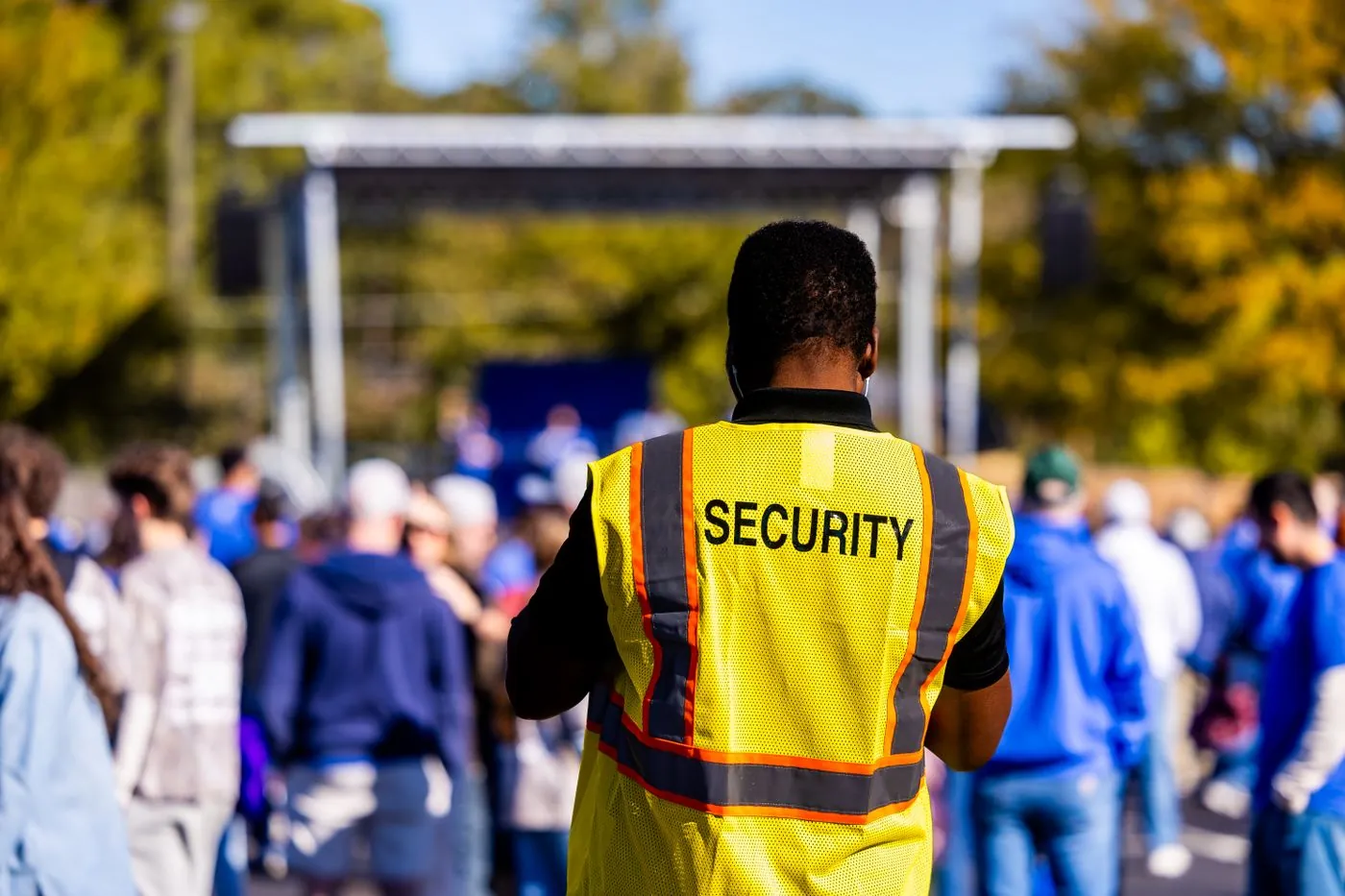
Security teams generally choose between two types of system, traditional two-way radios and Push-to-Talk over Cellular, and larger events tend to use both.
Traditional two-way radios are still widely used at smaller venues and short-range events. They are familiar to most security staff, quick to deploy and effective within a defined area, though range can limit them at larger or multi-site events as team numbers grow.
Many UK organisers now also use Push-to-Talk over Cellular, which runs over mobile networks or Wi-Fi so teams can communicate across wider areas without the range limits of traditional radio. PoC suits large outdoor events, events spread across multiple locations, and situations that need central coordination and oversight. It is usually deployed alongside traditional radios rather than replacing them.
| Traditional two-way radios | Push-to-Talk over Cellular |
|---|---|
| Best for smaller, single-site events with a defined area | Best for large, spread-out or multi-site events |
| Coverage limited to the radio system’s range | Wider coverage based on mobile network availability |
| Group communication within range | Group communication across sites and wide areas |
| Simple, quick to deploy on site | Central coordination, oversight and group management |
| Main limitation is restricted range | Main limitation is reliance on the mobile network |
Layered Communication at Large UK Events
Large events rarely rely on a single system. Security operations are usually built on a layered approach that combines technologies to suit different roles and conditions.
Licensed two-way radios tend to cover frontline security, stewarding and pit teams working within the main site. They use dedicated spectrum and temporary on-site infrastructure, which suits dense crowds and high-noise conditions. Alongside them, many events use Push-to-Talk over Cellular for supervisors, logistics and wider coordination, particularly for off-site communication, multi-location coverage, or during setup and breakdown when teams are more dispersed. Layering the two reduces reliance on any one network and lets organisers match the tool to the job.
Choosing the Right Communication Approach
The right approach depends on event size, venue layout and operational complexity. Smaller events may only need basic traditional radio coverage, while larger festivals and sporting events benefit from more scalable systems, and many organisers combine traditional radios with PoC depending on staff roles and locations.
For organisations running several events a year, flexibility and ease of deployment matter most. If you are weighing up the devices themselves, our guide to security communication devices goes into the options in more detail.
Before you commit
No system guarantees perfect coverage everywhere, so it is worth testing any option against the real layout of your site before the event.
How iPTT Can Support Event Security Communication
iPTT works with organisations across the UK on Push-to-Talk over Cellular communication, and event security is one of the settings where it fits well. For events spread across a wide site, several locations or more than one venue, PoC can support better coordination between security, stewarding and control than mobile phones alone. Where a team is reviewing its current setup, iPTT can be a practical starting point for working through what wider-area, group-based communication could look like in practice.
In Conclusion
Radios remain a critical tool for security teams at UK events of every size. From music festivals and sporting fixtures to corporate conferences and public celebrations, reliable communication supports safer and better-organised gatherings.
As events grow in scale and complexity, security teams increasingly need communication that is flexible, professional and matched to how they actually work. If you have not reviewed how your teams stay connected recently, it is worth checking whether your current setup still fits.
Reviewing How Your Event Security Teams Stay Connected
If you are planning an event and weighing up reliable, group-based communication across a site or several locations, iPTT can talk it through with you.
Frequently Asked Questions About Security Radios at Events
What types of radios do security teams use at UK events?
Security teams typically use a combination of licensed two-way radios and Push-to-Talk over Cellular. Traditional radios tend to cover frontline teams on site, while PoC supports supervisors, logistics and wider coordination across a larger or multi-site event.
Are radios more reliable than mobile phones at large events?
Radios are built for instant, one-to-many communication and do not rely on consumer calling or messaging. At large events where mobile networks can become congested, that makes them a more dependable way for teams to stay connected.
Do large festivals rely on one communication system?
No. Most large events use layered communication, combining different radio systems to suit specific roles and conditions. This reduces reliance on any single network and improves overall reliability.
How can event security teams improve communication across a large site?
A good starting point is to map where communication tends to break down, such as far corners of the site, areas of high crowd noise, or where mobile networks congest at peak times. From there, combining licensed radios for frontline teams with Push-to-Talk over Cellular for wider-area and multi-site coordination keeps security, stewarding and control aligned across the whole event.