Best Security Communication Devices for UK Security Teams
A practical guide to choosing the right communication system for modern UK security operations
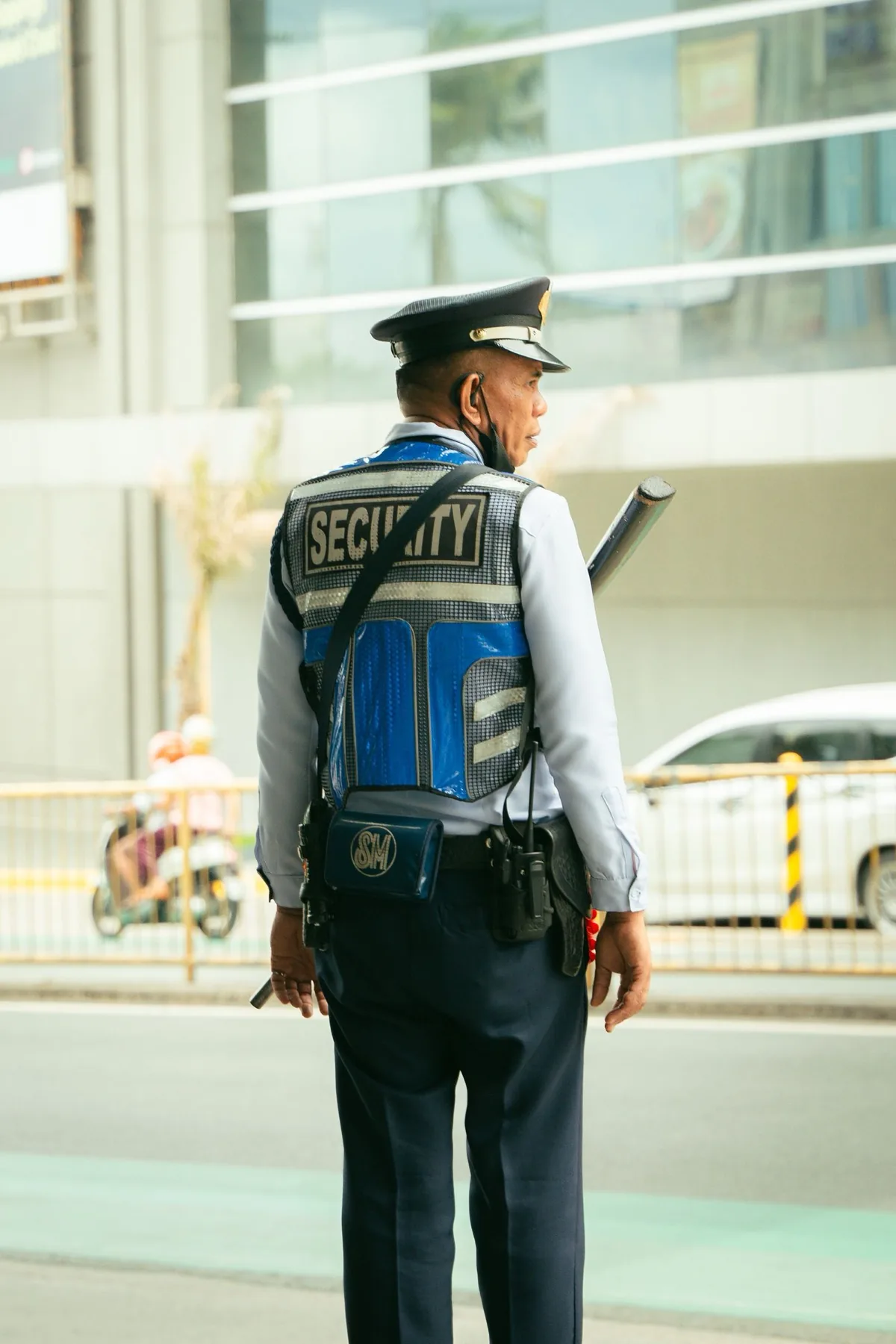
Clear and instant communication is fundamental to effective security work. Whether managing access at a commercial site, coordinating teams at a public event or responding to incidents during night shifts, security personnel rely on communication systems that work immediately and without buffer.
For UK security teams, radios remain one of the most trusted tools for real-time coordination. This article explores how radios are used today, the difference between traditional two-way radios and modern Push-to-Talk over Cellular (PoC) systems and how security organisations can choose the right solution for their specific needs.
Why Security Communication Devices Are Critical for Modern Security Work
Security teams operate in fast-changing environments where situations can escalate quickly. Guards may be spread across large sites, working indoors and outdoors or operating alone during quieter hours. In these conditions, the ability to speak instantly with colleagues or supervisors is a core safety requirement.
Guidance from the Health and Safety Executive highlights the importance of protecting lone workers through clear procedures, risk assessments and reliable means of communication to summon assistance when necessary.
Modern communication systems, including PoC radios, support these safety principles by enabling instant contact, emergency alerts and real-time location awareness across security teams.

Traditional Two-Way Radios for Security Teams
How Two-Way Radios Work
Traditional two-way radios, often referred to as walkie-talkies, have been used in the security sector for decades. These devices operate using radio frequencies such as UHF or VHF. When a user presses the push-to-talk button, their voice is transmitted directly to other radios on the same channel.
For security teams working on a single site, traditional radios can be effective. They do not depend on mobile networks and can function independently of internet connectivity. This makes them useful in enclosed environments or smaller locations where mobile signal is unreliable.
Benefits of Traditional Security Radios
- No dependency on mobile network coverage
- Instant push-to-talk communication with no call setup delay
- Robust and straightforward to operate
- Lower upfront cost for small, single-site deployments
- No monthly data costs for basic voice-only use
Limitations of Two-Way Radios
However, their performance is limited by distance, terrain and building materials. Large venues, underground areas or steel structures can reduce signal quality. Expanding coverage often requires repeaters and licensed frequencies, which increases cost and complexity as operations grow.
Traditional radios also lack modern features such as GPS tracking, call recording and centralised dispatch management — capabilities that are increasingly expected in professional security operations.
How Security Teams Use Communication Devices Daily
In practice, radios are used constantly throughout a security shift. Guards use them to coordinate patrols, manage entry points and report suspicious behaviour. During incidents, radios allow teams to call for assistance immediately and keep supervisors informed as situations arise and develop.
Radios are also widely used for lone worker safety. A guard working alone can quickly raise an alert or request support without needing to reach for a phone. This instant access to communication can significantly improve personal safety, particularly during night shifts or in isolated locations.
OPERATIONAL INSIGHT
Security teams that operate across multiple zones, floors or sites often find that traditional radios create communication gaps. A guard on the top floor of a multi-storey venue may struggle to reach a colleague at the perimeter — a limitation that PoC systems eliminate entirely.
Good communication on a security team is about more than the device in your hand. It is about how you use it. Clear speech, short transmissions, the right call signs and proper radio discipline are what keep a channel usable when several people need it at once, and they matter just as much on a modern PoC system as on a traditional radio.
The video below walks through the basics that professional security teams rely on, from push-to-talk technique to keeping messages brief and acknowledging what you have heard. These habits carry straight over to iPTT’s push-to-talk devices, which add wider coverage, GPS and central management on top of the same everyday discipline.
The Shift Towards PoC (Push-to-Talk over Cellular) Systems
While traditional radios remain common, many security organisations are now adopting digital systems and PoC solutions to meet modern operational demands.
What Are PoC Radios?
PoC radios use 4G and 5G mobile networks rather than traditional radio frequencies. Voice messages are transmitted securely as data and delivered instantly to individuals or groups, regardless of distance, as long as mobile coverage is available.
This approach removes many of the range limitations associated with traditional radios. Security teams can communicate across multiple sites, cities or regions without installing repeaters or managing complex and costly infrastructure.
How PoC Improves Security Operations
PoC platforms offer a significantly broader feature set than traditional radios. For security teams, this means access to tools that improve situational awareness, accountability and team coordination in real time.
The ability to monitor team locations via GPS, record communications for compliance and broadcast urgent alerts across the entire team simultaneously makes PoC a compelling upgrade for professional security operations.
Coverage, Flexibility and Scalability of Modern Systems
Coverage is one of the biggest differences between traditional radios and PoC systems. Traditional radios are well suited to contained sites but become less reliable as teams spread out or operations expand.
PoC radios leverage nationwide mobile networks, allowing security teams to remain connected wherever they operate. Many PoC systems also support multi-network SIM cards, which automatically switch between available networks to maintain coverage if one network becomes weak.
This flexibility makes PoC particularly suitable for mobile patrols, event security, logistics hubs and organisations managing multiple locations.
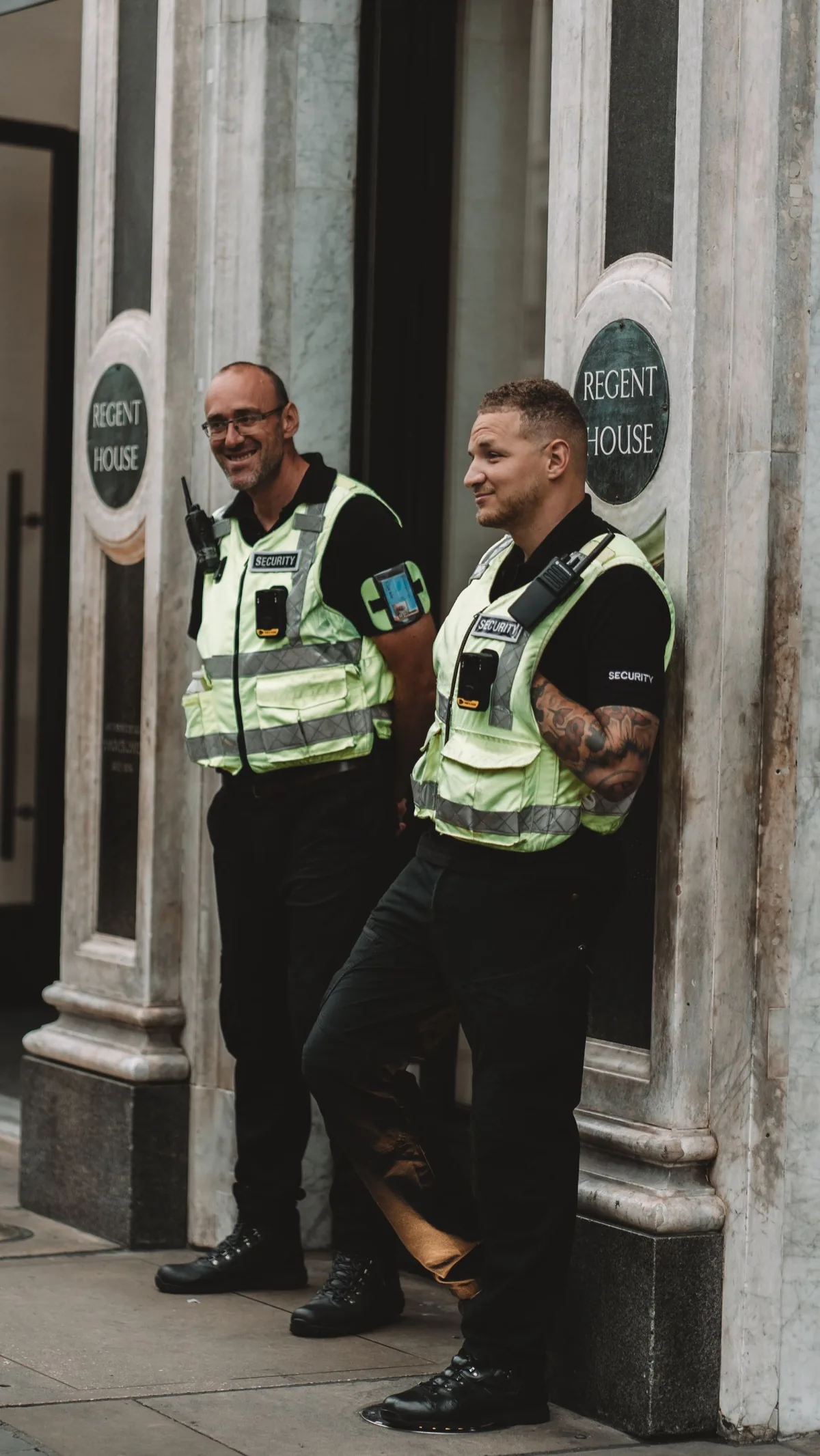
Key Features of Modern Security Communication Devices
Traditional radios focus primarily on voice communication. Some digital models offer encryption and basic safety features, but functionality is often limited. PoC systems typically offer a broader feature set designed to support the demands of professional security work.
- Live GPS tracking — monitor every team member's location in real time from a central dashboard
- Centralised dispatcher software — manage talk groups, monitor activity and send broadcasts from a control interface
- Emergency alerts — a single button press flags a distress situation and notifies supervisors instantly
- Call recording — every communication logged automatically for accountability and compliance
- Device compatibility — works with dedicated rugged radios, smartphones and tablets
- Remote management — add users, adjust permissions and update settings without touching a device
These features improve situational awareness and allow supervisors to manage teams more effectively, especially in fast-moving or high-pressure environments.
Security and Reliability Considerations
Security is critical for many UK organisations, particularly those handling sensitive information or managing public-facing operations.
Analogue radios offer limited protection against interception. Digital radios improve this with encryption, but security levels vary by device and configuration. For organisations where confidentiality matters, the variability of traditional radio security can be a genuine risk.
PoC systems use encrypted data transmission and private servers to protect communications. Network redundancy and multi-network availability can also improve reliability during busy periods or unexpected disruptions — making them a dependable choice for 24-hour security operations.
Choosing the Right Security Communication Devices
Traditional two-way radios remain a practical choice for small sites, short-range communication and operations where mobile connectivity is not required. They are straightforward, durable and do not rely on any external infrastructure.
PoC radios are better suited to organisations that operate across wider areas, need modern features or want centralised control without managing physical infrastructure.
In many cases, PoC does not replace traditional radios entirely. Emergency services rely on specialist networks, while private security teams, event organisers and commercial organisations benefit from PoC's flexibility and scalability. Consider these factors when evaluating options:
- Area of operation — single site or multiple locations across a region
- Team size — how many users need to communicate simultaneously
- Features required — GPS tracking, call recording, lone worker alerts
- Mobile coverage — reliability of network in your operating area
- Compliance requirements — whether communications need to be logged or auditable
How iPTT Supports Security Organisations
iPTT provides professional communication solutions designed for modern security teams. These include rugged PoC radios, multi-network SIM cards, dispatcher software and compatibility with smartphones and tablets.
Security companies can build a communication setup that delivers instant voice communication, live visibility of teams and reliable nationwide coverage without the limitations of traditional radio systems.
Final Thoughts on Security Communication Devices
Security radios remain a critical tool for protecting people, property and operations across the UK. Traditional two-way radios continue to serve an important role on single sites, while PoC systems offer a modern alternative for organisations that need greater reach and flexibility.
Understanding how these systems differ helps security teams choose a solution that supports both safety and efficiency. With the right communication setup in place, teams can respond faster, work more confidently and operate with greater control.
Frequently Asked Questions
Are PoC radios suitable for UK security teams?
Yes. PoC radios are widely used by UK security teams that operate across multiple locations or large sites. They provide instant communication, nationwide coverage via mobile networks and modern safety features such as GPS tracking and emergency alerts, making them well suited to guarding, events and mobile patrols.
Do PoC radios work if there is low mobile signal?
PoC radios rely on mobile data connectivity to function. In the UK, many systems use multi-network SIMs that automatically switch between available networks to maintain coverage. This significantly reduces the risk of dropped communication during critical moments.
Are PoC radios secure enough for professional security work?
Yes. PoC systems use encrypted data transmission and private servers to protect communications. This makes them suitable for security teams handling sensitive information or operating in environments where confidentiality and control are important.
Can PoC radios replace traditional two-way radios for security teams?
In many cases, yes. PoC radios can replace traditional radios for organisations that need wider coverage, central management and modern features. However, some security teams still use traditional radios for short-range, site-based operations or in locations with limited mobile connectivity.
Related Reading
Thank you for reading. Explore our full news and insights section for more articles on professional radio communication.