Event Radios and Communication Systems for Large Events
How two-way radios and Push-to-Talk over Cellular (PoC) keep security, stewarding, medical and logistics teams coordinated across large event sites, and what to weigh up when choosing a system
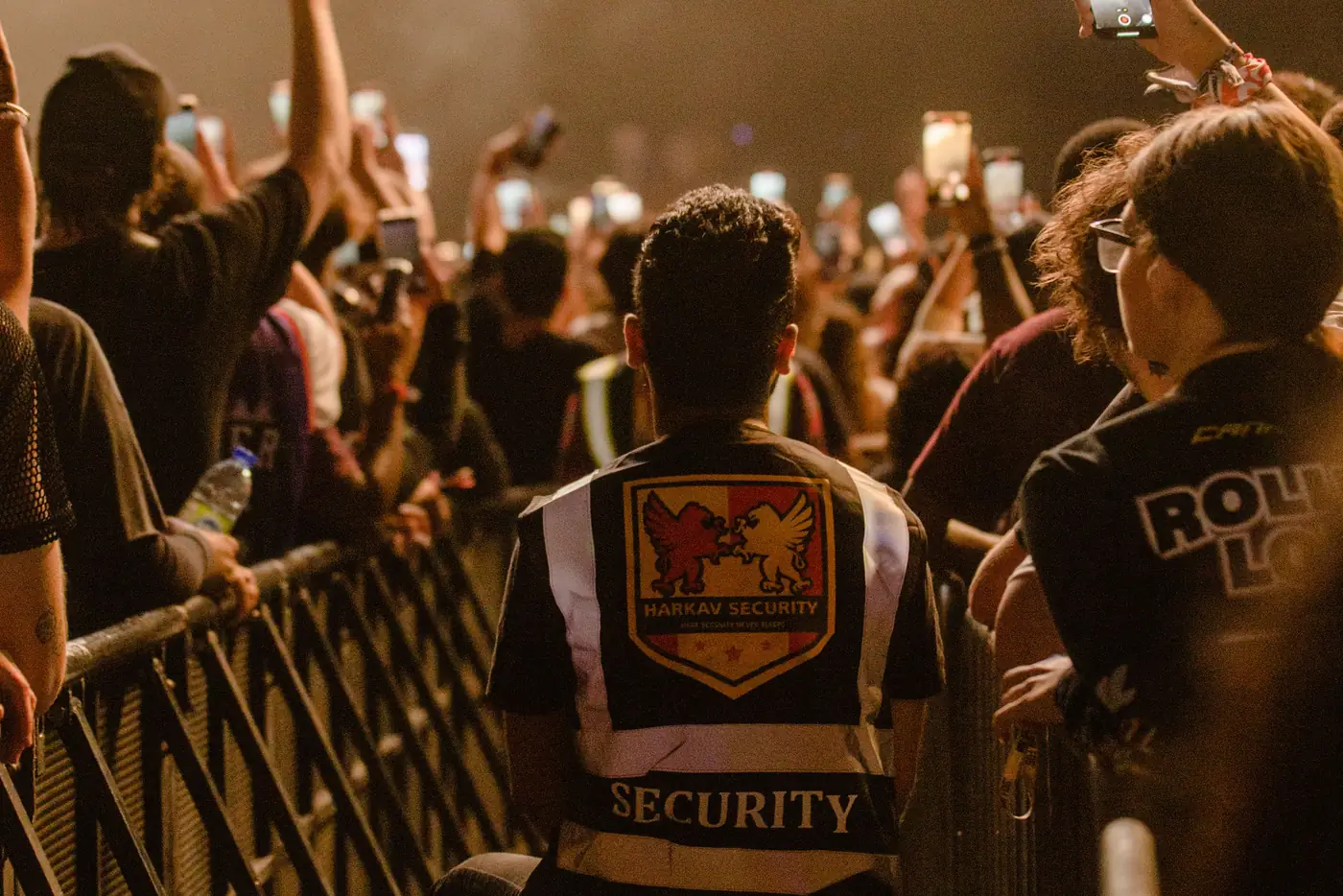
A medical incident happens in a far corner of the site during a headline set. A gate surges as the doors open and stewards need backup within seconds. A contractor reports a fault on a stage rig before the crowd arrives.
Moments like these are routine at large events, and each one depends on how quickly the right people can reach each other. When a message has to pass through several phone calls before it reaches someone who can act, small delays stack up. At a busy event, those delays affect both safety and the experience of everyone attending.
This is where event radios and wider event communication systems come in. This article covers what they are, how different teams use them, the difference between traditional two-way radios and PoC radios, and what to weigh up when choosing a system for your event.
Why Communication Matters at Large Events
Several teams have to act on the same information at the same time. Security, stewards, medical staff, event managers and logistics crews all make time-sensitive decisions, often spread across a wide site. A shared, instant channel keeps those decisions aligned and shortens response times when something goes wrong.
Without reliable event staff communication, even a minor issue can escalate before the right person hears about it. A slow report from one part of the site can turn a small problem into a safety concern or a visible disruption.
| Operational need | How communication helps |
|---|---|
| Coordinating staff across the site | Teams can be directed and redeployed without leaving their post |
| Responding to incidents | Reports reach the right responder in seconds rather than minutes |
| Crowd management | Stewards and control can react to build-ups before they become a problem |
| Health and safety | Safety instructions can reach everyone on the channel at once |
| Operational delays | Deliveries, suppliers and last-minute changes are handled without hold-ups |
| Visitor experience | Issues are resolved quietly and quickly, before they reach attendees |
Event organisers should also consider communication planning as part of wider security preparedness. Under Martyn’s Law — the Terrorism (Protection of Premises) Act 2025 — larger premises and qualifying events will need appropriate public protection procedures once the Act’s requirements come into force. These can include arrangements for communicating with people on site during an incident.
For qualifying premises, 200–799 individuals at the busiest times generally falls within the standard tier, while 800 or more generally falls within the enhanced tier. For qualifying events, 800 or more people reasonably expected at the same time is one of the key thresholds. The UK Government currently expects the Act’s requirements to come into force in spring 2027.
Radios alone will not make an event compliant, but reliable staff communication can support the wider procedures an event puts in place.
What Are Event Radios?
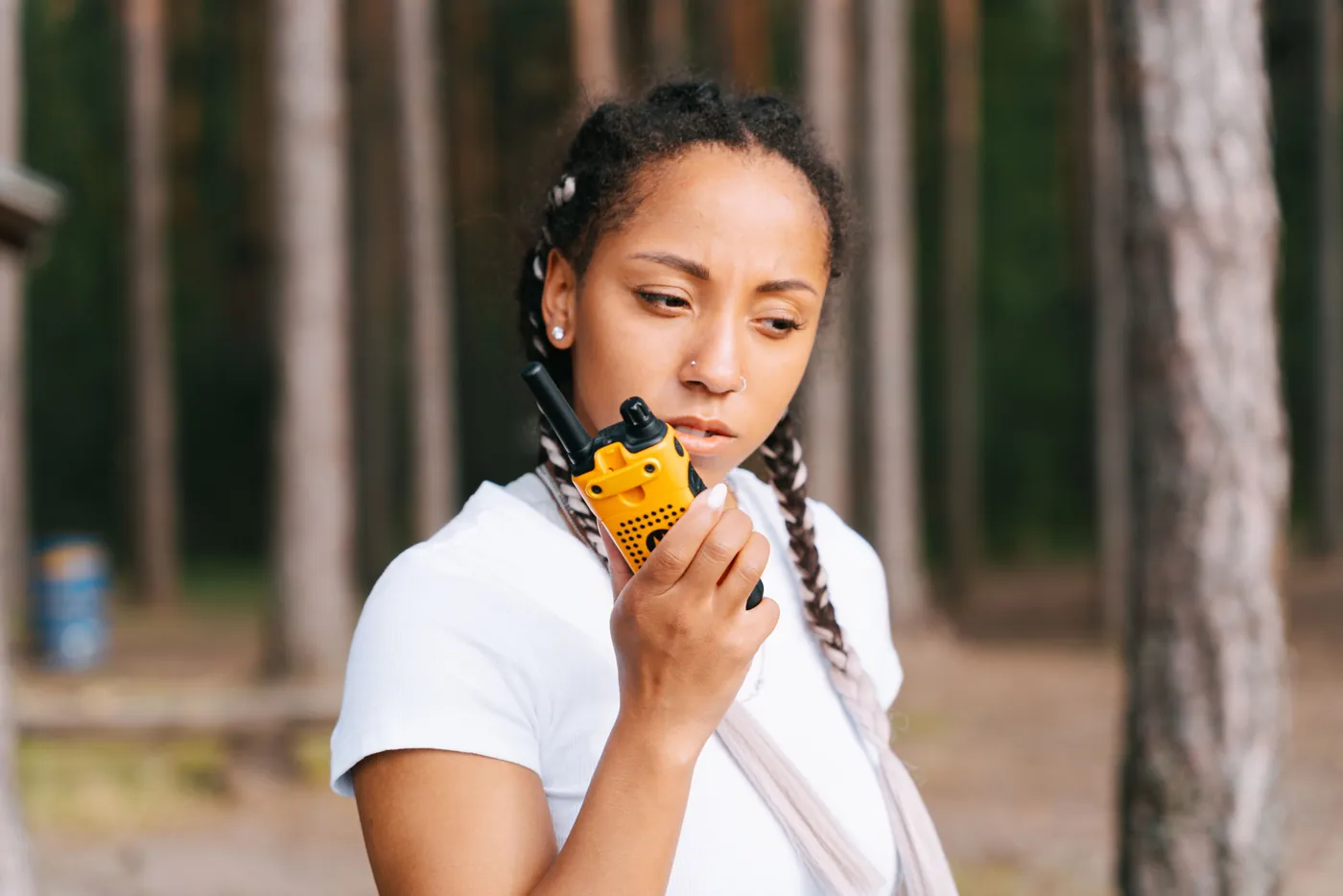
Event radios are handheld devices that let staff speak to each other instantly during an event. A user presses a button and talks to one colleague or a whole group at once, with no dialling and no waiting for a call to connect. That immediacy is why operational teams tend to prefer them over mobile phones in busy, noisy environments.
Traditional two-way radios, sometimes described as walkie talkies for events, work on radio frequencies and provide group communication without relying on mobile phone calls. They are common at festivals, sporting events, conferences, trade shows, outdoor public events, concerts and community events.
For smaller events, licence-free two-way radios can provide enough coverage on their own. Larger venues usually need more capable systems to stay reliable across the whole site.
Who Uses Event Radios at Large Events?
Most large events run on several teams working in parallel, and each relies on radio communication in a slightly different way. The common thread is that every team needs to reach the right person quickly, without leaving their position or turning away from the crowd they are managing.
Many events assign each team its own communication group or channel, so routine traffic does not get in the way of urgent messages.
Security Teams
Security teams depend on event radios more than almost any other group. They use them to coordinate patrols, manage crowd movement and call for support the moment an incident starts. Many events run a dedicated security channel so this traffic stays separate from general operations and stays clear when it matters most.
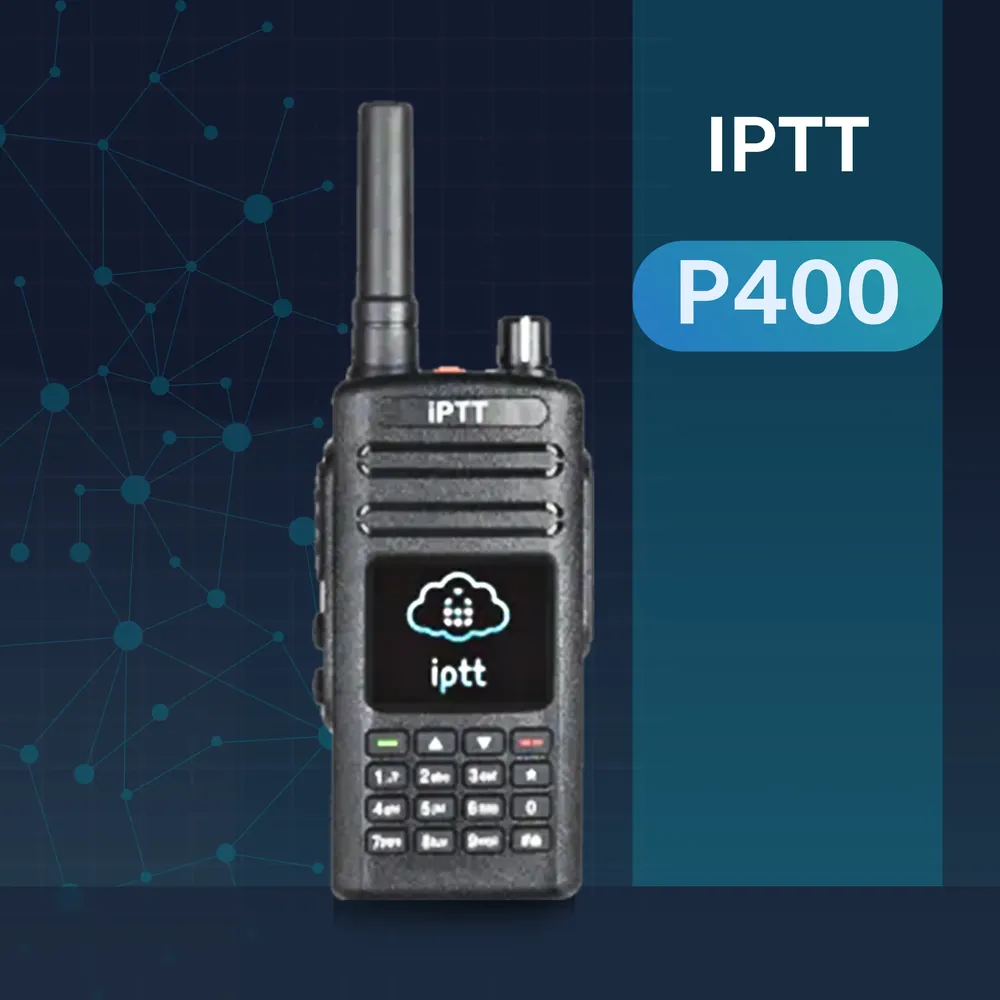
Rugged devices such as the iPTT P400 are designed for demanding conditions like those at large outdoor events, including festivals and concerts.
Event Management Teams
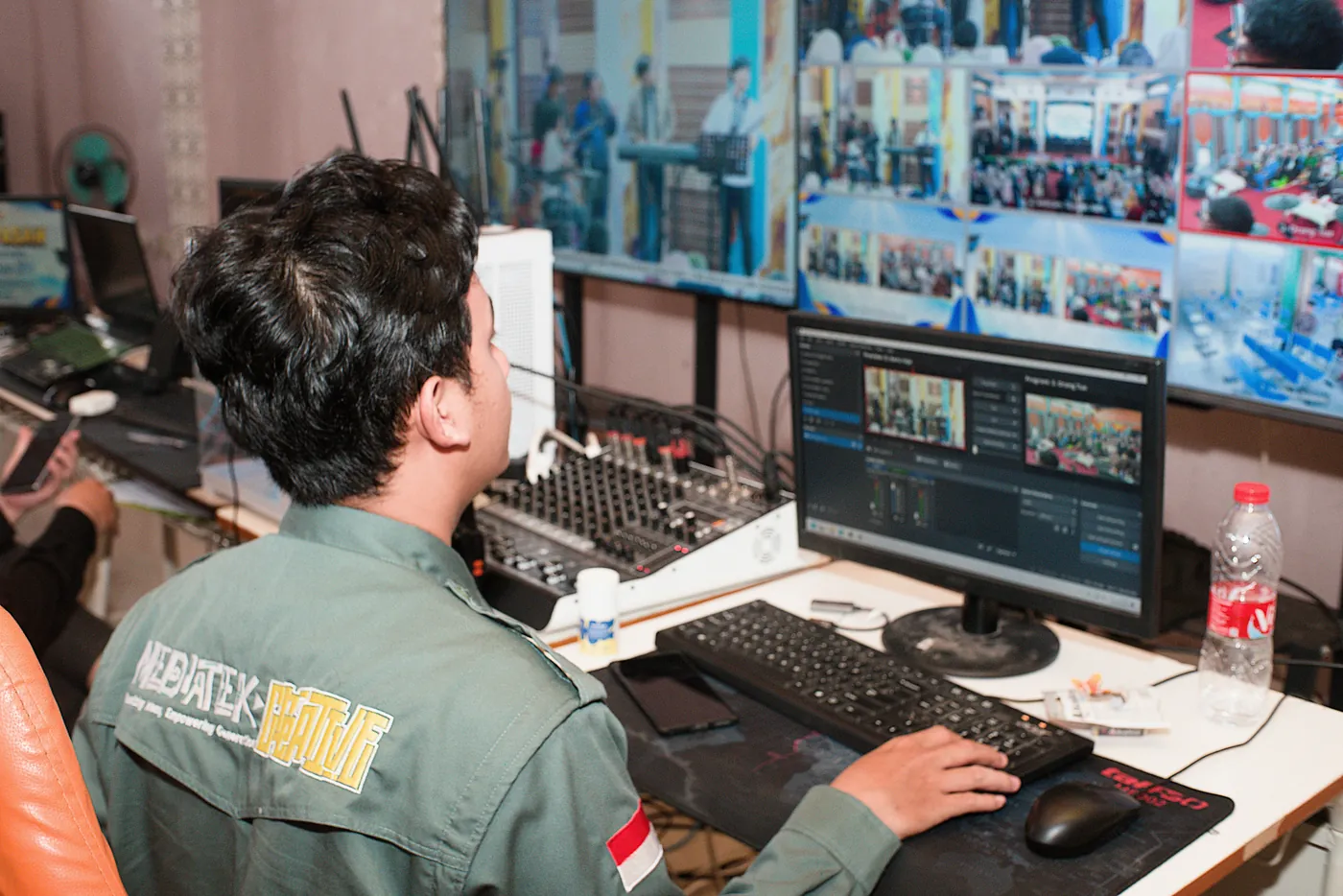
Event managers use communication systems to keep sight of the whole operation without moving across the site. From one position they can coordinate suppliers, track the schedule and step in when something changes, which matters most during the busiest parts of the day.
Stewards and Marshals
Stewards and marshals rely on radios to guide attendees, manage entry points and flag concerns early. Clear communication lets them report a build-up or a problem to control before it grows, and keeps crowd flow steady across the site.
Medical and First Aid Teams
Medical teams need to reach the rest of the operation the moment they respond to an incident. Fast contact between first aiders, security and event managers cuts the time it takes to get help to the right place, which can make a real difference in an emergency.
Logistics and Operations Staff
Logistics teams handle deliveries, equipment moves and the day-to-day running of the site. Radios help them get the right resources to the right place at the right time, reducing the delays and mix-ups that come with a large, moving operation.
Production and Technical Crew
Production and technical crews coordinate stages, power, lighting and sound, often on tight cues. A shared channel lets them line up changeovers and respond to technical faults quickly, without holding up a live schedule.
Traditional Two-Way Radios vs Push-to-Talk over Cellular
The main choice for event communication is between traditional two-way radios and Push-to-Talk over Cellular. Traditional radios work well within a defined site, while PoC uses mobile networks to extend communication across much larger or multi-site events. Plenty of large events use both, with each covering the situations it handles best.
Traditional two-way radios remain effective in many settings. Large events, though, create conditions that a standard radio system can struggle with, including big venues, multiple sites, buildings that block signal, temporary infrastructure and limited radio range.
This is where PoC radios for events have become more popular. Rather than depending on radio frequencies alone, PoC devices use mobile data networks to communicate over much greater distances. Staff can talk across multiple areas, remote locations or even different towns without the range limits of traditional radio.
The two approaches suit different event setups.
| Traditional two-way radios | Push-to-Talk over Cellular (PoC) |
|---|---|
| Best for: single-site events with a defined perimeter | Best for: large, spread-out or multi-site events |
| Coverage: limited to the radio system's range | Coverage: wider, but dependent on mobile network availability |
| Group communication: works within range; multi-site is generally not supported | Group communication: works across sites and wider areas |
| Features: simple, low-maintenance setup focused on voice | Features: extras such as GPS tracking, dispatcher integration and central management |
| Oversight: managed at the handset and channel level | Oversight: central oversight and group management across the whole operation |
| Main limitation: restricted range | Main limitation: reliance on the mobile network |
Because network capacity can be tested but not guaranteed at very busy sites, some organisers run a hybrid setup: traditional radios for core site teams, and PoC where staff are spread across wider areas or multiple locations.
Common Communication Challenges at Large Events
Large events create communication problems that smaller ones rarely face. Size, layout and temporary infrastructure all work against a signal, and the more teams involved, the more places a message can get lost. Knowing where these gaps tend to appear makes them easier to plan around.
Wide sites and multiple locations can stretch a traditional radio system beyond its range. Buildings, structures and temporary builds can block or weaken a signal in places that worked fine during setup.
When staff fall back on personal mobile phones to fill the gaps, coordination slows down. Calls and messages are one-to-one rather than reaching a whole team at once. Managing several departments across all of this at the same time makes each of these problems harder to handle.
Choosing the Right Communication System for Your Event
The right system depends on how your event actually runs, not on any single feature. Site size, staff numbers, the length and timing of the event, security requirements, how far apart teams are and how many groups need to talk all shape the decision.
Smaller events may only need basic radios, while larger or multi-site operations usually benefit from wider coverage and central oversight.
It is worth weighing up the following:
- Coverage: across the whole site, including structures or separate areas where signal tends to drop
- Ease of use: simple devices matter, since events often rely on temporary or seasonal staff with little training time
- Battery life: enough for a full shift, including build-up, show days and break-down
- Durability: how well devices cope with weather, dust and rough handling outdoors
- Scalability: whether the system can grow for a bigger event or extra sites without a full replacement
- Communication groups: whether you can separate security, medical, stewarding, production, traffic and logistics teams
- Network reliability: which matters most for PoC systems
- Support: the management and help available if something goes wrong on the day
Before you commit
Before committing, test any option against the real layout of your site, as no system guarantees perfect coverage everywhere.
How iPTT Can Support Event Communication
iPTT works with organisations across the UK on Push-to-Talk over Cellular communication, and large events are one of the settings where this can help. For events spread across a wide site, several locations or more than one venue, PoC can support better coordination between teams than mobile phones alone.
If you are reviewing your current setup, iPTT can be a practical starting point for working through what wider-area, group-based communication could look like in practice.
Conclusion
Reliable communication is one of the things that holds a large event together. From security and stewarding to medical, logistics and production, teams that can reach each other instantly are better placed to coordinate, keep people safe and keep the event running.
As events grow in size and complexity, the systems behind that communication matter more, not less. If you have not reviewed how your teams stay connected recently, it is worth checking whether your current approach still fits the way your event runs.
Reviewing How Your Event Teams Stay Connected
If you are planning a large event and weighing up wider-area, group-based communication across a site or several locations, iPTT can talk it through with you.
Book a Short CallFrequently Asked Questions About Event Radios
What are event radios?
Event radios are handheld devices that let event staff talk to each other instantly, so teams can coordinate activities and respond to incidents without dialling or waiting for a call to connect. They are used across security, stewarding, medical, logistics and management teams.
Why are event radios important for large events?
They give teams fast, reliable communication across a busy site, which supports safety, crowd management and smooth operations. At a large event, the speed of a report often decides whether an issue stays minor or becomes a problem.
What communication systems do event staff use?
Many event staff use traditional two-way radios, and larger events increasingly add Push-to-Talk over Cellular for wider coverage and extra features. The right mix depends on the size of the site and how many locations are involved.
Are Push-to-Talk radios suitable for festivals?
Yes, they can be. PoC works well at festivals because it can cover a large or spread-out site and multiple locations, and it can add features such as GPS tracking and dispatcher software that help coordinate dispersed teams. Mobile network coverage should still be tested across the site before the event.
How do security teams communicate during large events?
Security teams usually work on a dedicated channel or communication group, which keeps their traffic separate from general operations. This lets them coordinate patrols, manage incidents and keep situational awareness across the event without interference from other teams.
How can organisers improve communication across a large or multi-site event?
Start by mapping where communication tends to break down, such as far corners of the site, separate buildings or areas with poor signal. From there, move from ad hoc mobile phone use to a structured, group-based system, and use PoC where wide-area or multi-site coverage is needed.