Lone Worker Communication Systems in the UK
How UK employers keep people working alone connected — and what to weigh up before choosing a system
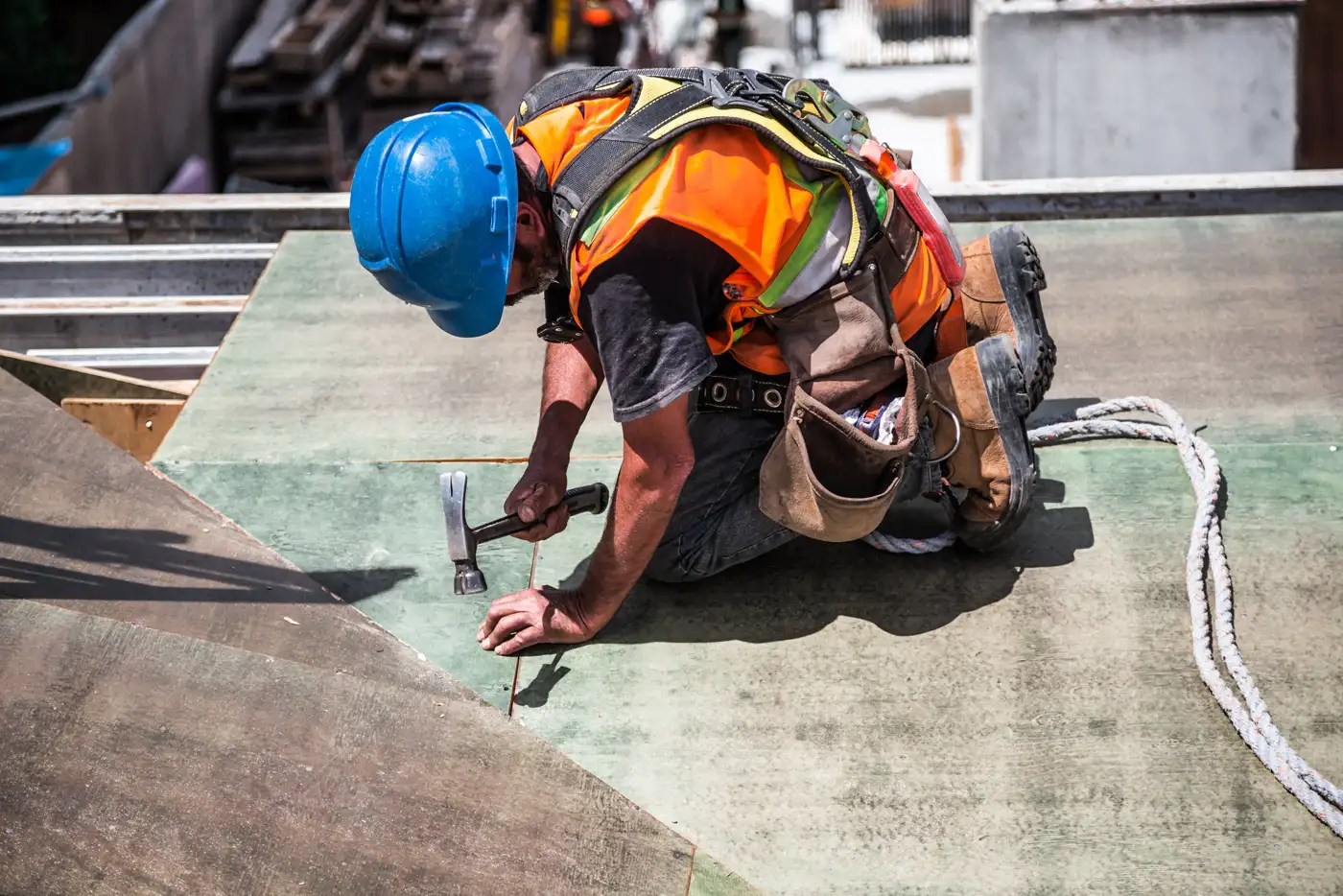
Lone workers operate across a wide range of industries in the UK, often carrying out tasks without direct supervision or immediate support. From construction sites and security patrols to facilities management and event operations, many roles involve periods of isolated working. In these environments, reliable communication is a core part of maintaining safety.
Lone worker communication systems are designed to ensure that individuals working alone remain connected to supervisors or control centres at all times. Effective communication allows organisations to respond quickly if assistance is required and helps reduce risks associated with delayed intervention.
What Are Lone Worker Communication Systems?
Lone worker communication systems refer to structured systems that enable employees working by themselves to stay in contact with their supervisors. It goes beyond occasional phone calls or messaging and instead focuses on reliable, immediate and monitored communication channels.
In many cases, relying solely on personal mobile phones is not sufficient. Coverage may be inconsistent, calls can be delayed and there is often no central visibility over communication activity. Professional communication systems are designed to provide clearer escalation routes and more dependable connectivity.

Why Reliable Communication Is Critical for Lone Workers
Workers operating alone may face situations where assistance is required urgently. These can include accidents, equipment failures, confrontational encounters or unexpected changes in working conditions. Without reliable communication, response times may be delayed, increasing potential risks to these employees.
Construction sites, security patrol routes and large estates often involve areas with limited supervision or restricted access. In these environments, instant communication can make a significant difference in how incidents are managed.
Employers in the UK have a responsibility to assess and manage risks associated with lone working. Guidance from the Health and Safety Executive highlights the importance of appropriate control measures and communication planning to support lone worker safety. Structured communication systems form part of that wider risk management approach.
Industries Where Lone Worker Communication Is Essential
Lone working is common across multiple sectors. While the specific risks vary, the need for dependable communication remains consistent.
Construction and Building Sites
On construction projects, supervisors, inspectors and specialist contractors may work in isolated sections of large developments. Remote plant areas, scaffolding structures or newly built zones can place workers outside of the immediate line of sight of their colleagues. Reliable radio communication supports both safety and operational coordination.
Security and Patrol Services
Security personnel frequently work alone during static guarding shifts or mobile patrols. Night-time operations in particular can involve isolated environments where quick escalation is critical. Security communication devices allow guards to remain connected to control rooms and supervisors throughout their shift.
Facilities and Property Management
Maintenance engineers and estate management teams often move across large commercial buildings, campuses or industrial sites. Tasks may involve rooftops or underground service areas. Communication devices help ensure workers can request assistance or report issues promptly.
Events and Temporary Operations
During event setup and breakdown, teams may be dispersed across wide sites before full staffing levels are in place. Lone workers operating in early or late shifts benefit from structured communication that allows oversight and coordination across the site and reduces the risks of accidents.
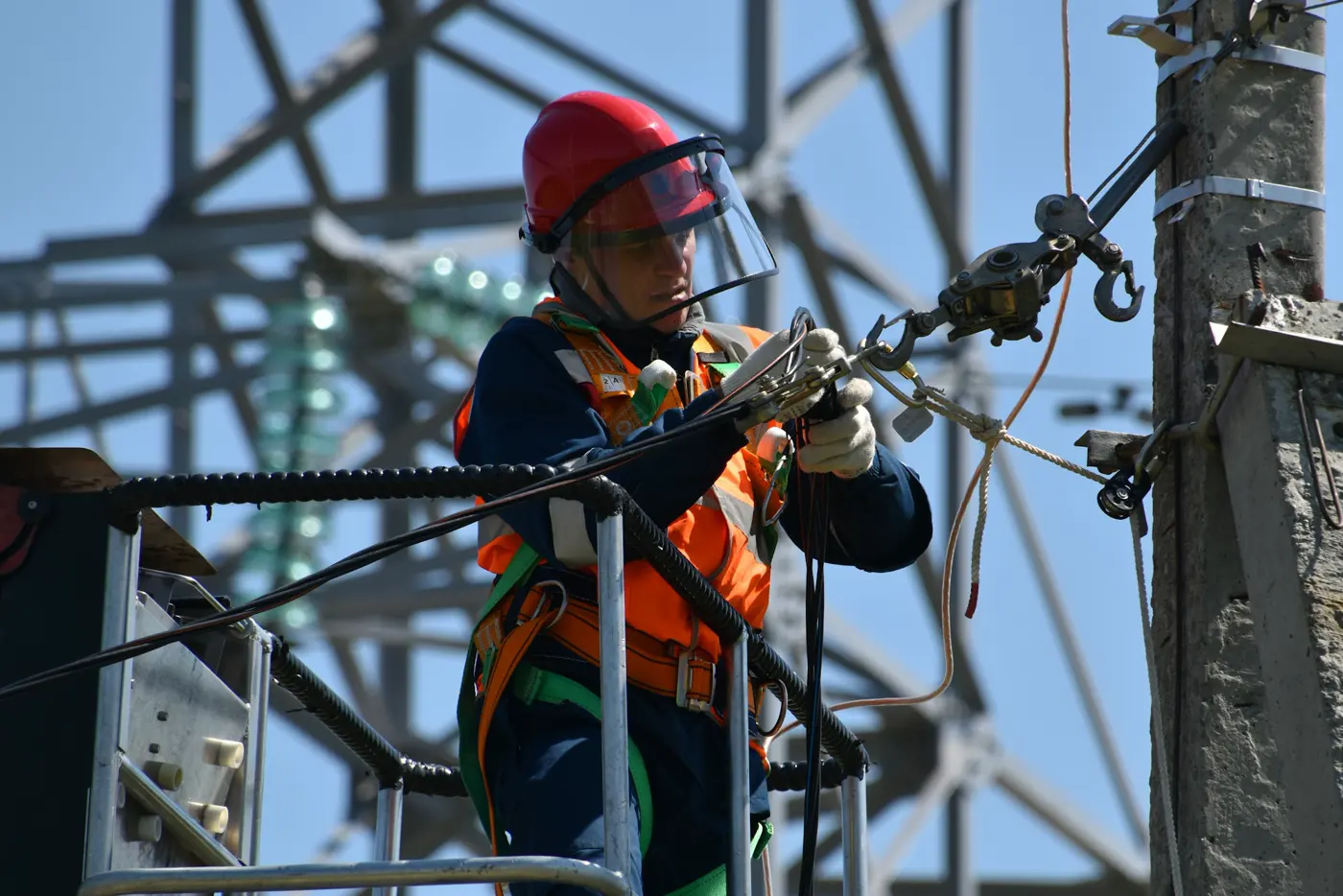
Types of Communication Systems Used by Lone Workers
Different working environments require different communication approaches. Most organisations assess site size, risk level and workforce distribution before selecting a system.
Traditional Two Way Radios
Two way radios are commonly used where teams operate within a small defined area. They provide instant push-to-talk communication and do not rely on consumer calling services. For construction sites and industrial estates, licensed radio systems can offer dependable coverage across the working zone.
These systems are particularly effective when rapid group communication is required and when environments are noisy or physically complex.
Push to Talk over Cellular
Push to Talk over Cellular systems operate over mobile networks or Wi-Fi, allowing communication across much wider areas. They are often used where lone workers operate across multiple sites or travel between locations.
PoC systems are designed for commercial and operational use, offering structured group communication and central oversight. In many organisations, they are deployed alongside traditional radios rather than replacing them entirely. Devices such as the iPTT P400 pair a rugged handset with multi-network SIMs, so coverage does not depend on a single operator’s footprint.

Layered Communication for Lone Worker Safety
In higher risk environments, many organisations adopt a layered communication approach. This involves combining traditional radio systems with wider coverage solutions to ensure continuity of contact.
For example, frontline workers may use two way radios within a site, while supervisors and managers use PoC systems to maintain broader visibility across multiple locations. This reduces reliance on any single network and supports more resilient communication.
Layered systems also allow escalation routes to be clearly defined. If an issue cannot be resolved locally, communication can move quickly to a higher level of oversight.
What Employers Should Consider When Choosing a System
Selecting a lone worker communication system requires practical assessment rather than simply choosing the latest technology. Employers should consider:
- coverage requirements across all working areas
- the physical environment, including buildings and terrain
- battery performance for long shifts
- clarity of escalation procedures
- central oversight and management capability
The chosen system should match operational needs rather than theoretical requirements.
Choosing the Right Lone Worker Communication Approach
No single system is suitable for every organisation. Smaller sites with defined perimeters may benefit from licensed two way radio coverage, while multi-site operations may require broader connectivity.
Risk profile also plays an important role. Higher risk activities may justify layered communication systems that provide both immediate local contact and wider supervisory oversight.
Organisations that review their communication structure regularly are better positioned to support lone worker safety and operational efficiency.
Frequently Asked Questions
What is lone worker communication?
Lone worker communication refers to structured systems that allow employees working alone to stay in reliable contact with supervisors or control centres. These systems are designed to support safety and escalation.
Are mobile phones suitable for lone workers?
Mobile phones can support basic contact, but they may not provide consistent coverage or structured oversight. Professional communication systems offer more reliable connectivity and clearer escalation procedures in operational environments.
Which industries require lone worker communication systems?
Industries such as construction, security, facilities management and event operations commonly involve lone working. In these sectors, dependable communication supports both safety and coordination.
Conclusion
Lone worker communication in the UK is a practical safety consideration rather than a technical add-on. Workers operating alone require dependable systems that allow immediate contact and structured escalation where necessary.
Across construction, security, facilities management and event operations, reliable communication helps reduce risk and support safer working environments. Employers who plan communication systems carefully are better equipped to manage lone workers responsibly.
If your organisation has employees that work alone on shifts and require a structured communication approach, speak with iPTT about suitable radio and Push to Talk over Cellular solutions that can help your organisation today.
Do Your People Work Alone?
Speak with iPTT about suitable radio and Push to Talk over Cellular solutions for lone workers — rugged handsets, multi-network coverage and dispatcher oversight from one place.