Hotel Communication Systems: A Practical Guide for Hospitality Teams
How two-way radios and Push-to-Talk over Cellular keep reception, housekeeping, maintenance and security aligned — and what to weigh up when choosing a system for your property
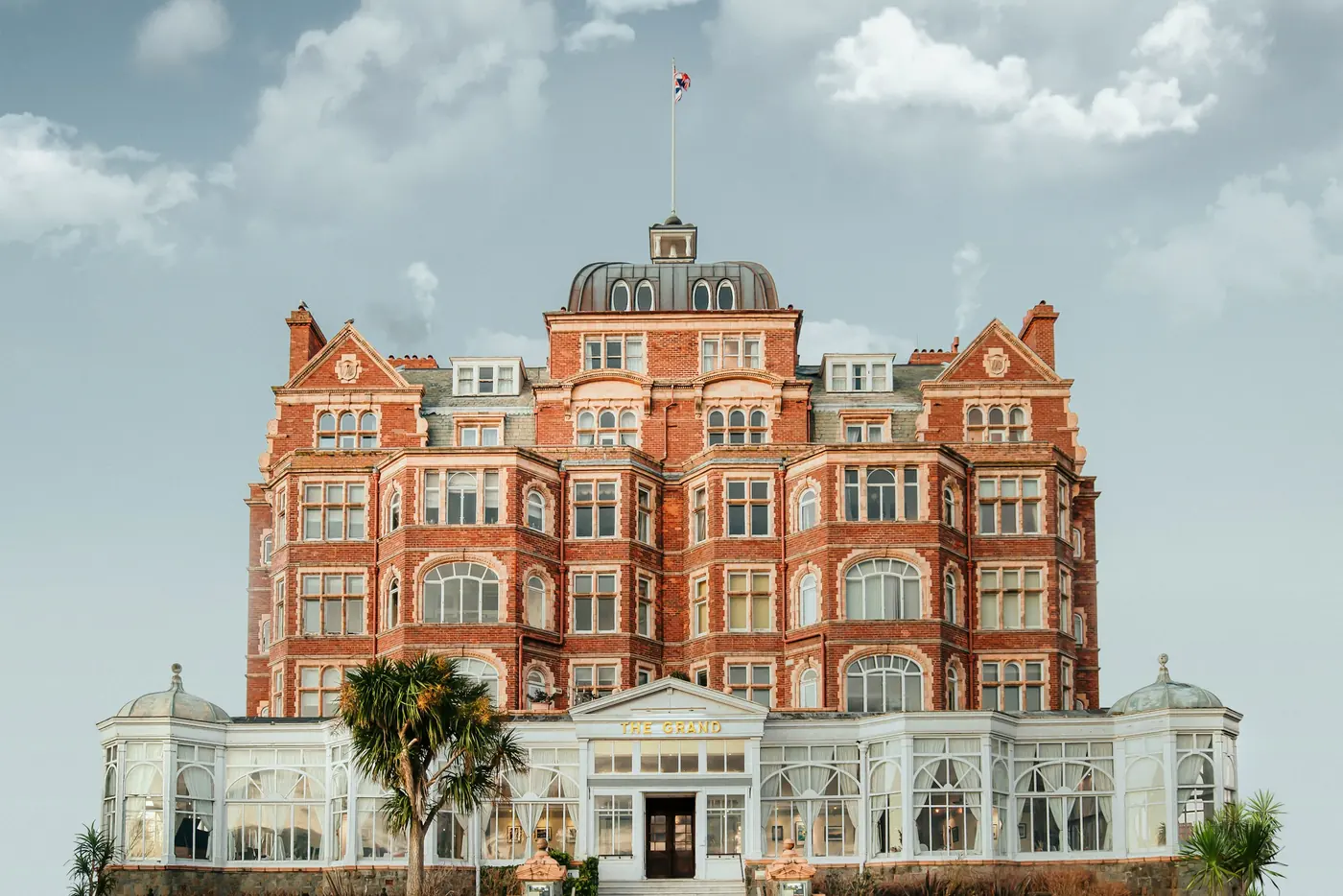
A guest checks in early and their room is not quite ready. A maintenance fault is reported on the third floor during breakfast service. A VIP arrival needs reception, housekeeping and security aligned within minutes.
These are ordinary moments in hotel operations, and they all depend on one thing: how quickly information moves between teams. When a message has to travel through several phone calls before it reaches the right person, small delays start to affect the guest experience.
This is where hotel communication systems come in. This article looks at what they are, how different departments use them, the difference between traditional two-way radios and Push-to-Talk over Cellular (PoC), and what to weigh up when choosing a system for your property.
What Are Hotel Communication Systems?
Hotel communication systems are the tools, such as two-way radios and Push-to-Talk over Cellular (PoC) devices, that hotel staff use to communicate instantly across departments. Unlike individual mobile phone calls, they allow group-based, real-time conversations between reception, housekeeping, maintenance, security and management teams.
This is different from mobile phones, which generally rely on one-to-one calls or messages. A radio or PoC system lets one person speak to an entire team, or a specific group within it, at the same time.
That distinction matters in hospitality. When reception needs housekeeping and maintenance to know about a room issue at once, a single group message does the job that several separate phone calls would otherwise take.
Why Communication Matters in Hospitality
Hotels run on constant, time-sensitive coordination. Guests arrive, rooms are turned around, and issues surface across departments, often all within the same hour.
When information does not reach the right person quickly, small delays tend to compound. A slow handover between housekeeping and reception can hold up check-in; a maintenance report that takes too long to reach the right technician can turn a minor fault into a guest complaint.
| Operational area | How communication helps |
|---|---|
| Guest requests | Staff can respond faster without repeated phone calls or messages |
| Room turnaround | Housekeeping and reception can confirm room status in real time |
| Maintenance issues | Faults can be reported and actioned without delay |
| Security incidents | Teams can coordinate a response discreetly and quickly |
| Multi-department events | Several teams can be briefed and updated simultaneously |
Effective staff communication also supports day-to-day team coordination more broadly, a point reflected in general workplace communication guidance from the Chartered Institute of Personnel and Development.
In larger properties, staff may also be working alone in areas such as basements, plant rooms or quiet corridors. In these situations, reliable communication is not only about efficiency — it also supports personal safety.
How Different Hotel Teams Use Radio Communication
Communication needs differ by department, but the underlying requirement is the same: staff need to reach the right person, quickly, without unnecessary steps.
Front Desk and Reception
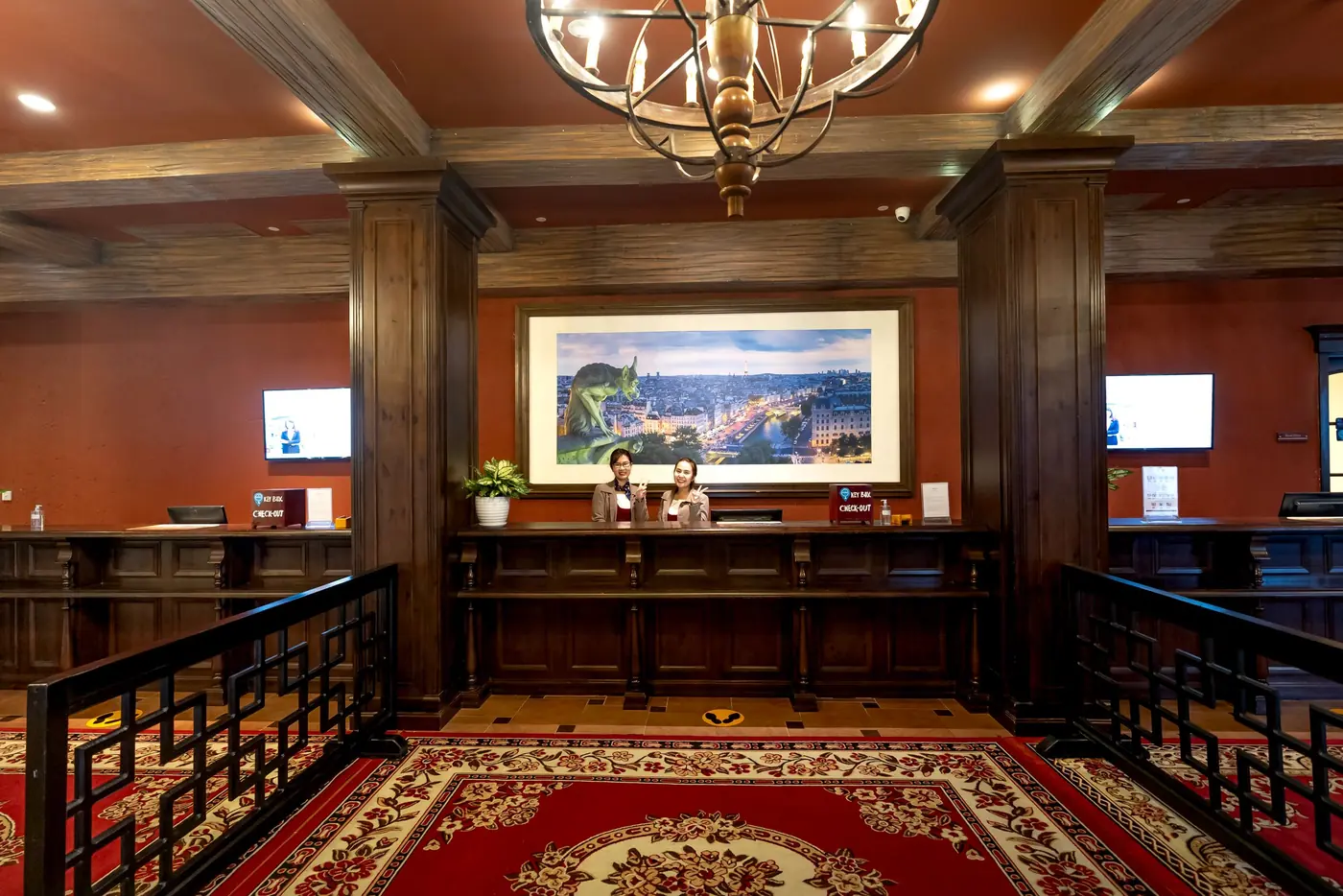
Reception acts as the hotel’s central point of contact. A radio lets front-of-house staff check room readiness with housekeeping, flag a maintenance issue, or bring management into a conversation without leaving the desk.
For example, when a guest arrives ahead of check-in time, reception can confirm room status with housekeeping in seconds rather than placing a call and waiting for an answer.
Housekeeping Teams
Housekeeping staff typically work independently across multiple floors, following their own room schedules. A supervisor can use radio communication to flag priority rooms, confirm when a room is guest-ready, or rebalance workload during a busy changeover period.
This is particularly useful around midday, when check-out and check-in schedules overlap and priorities can shift quickly.
Maintenance and Facilities
Maintenance teams need to know about issues as soon as they are reported, whether that is a heating fault in a guest room or a lift that has stopped working. Radio communication lets reception or management flag the issue directly, without it sitting in an email inbox or voicemail.
In larger buildings, this also means maintenance staff working in distant parts of the property can be reached without having to physically track them down.
Security Teams
Security staff often cover wide areas: entrances, car parks, corridors and external grounds. A reliable channel lets them respond to an incident, update management, and coordinate with colleagues elsewhere on site without drawing attention to what is happening.
Management and Duty Managers
Duty managers need visibility across every department at once, particularly during busy periods or when something goes wrong. Being able to join or monitor conversations with reception, housekeeping, maintenance and security helps them stay informed and step in early, rather than finding out about a problem after it has already affected a guest.
Types of Hotel Communication Systems
Hotels tend to choose between two broad approaches, depending on the size and layout of the property and how many sites are involved.
Traditional Two-Way Radios
Two-way radios remain widely used in hospitality because they are simple and dependable. They give instant push-to-talk communication and generally work well within a single, defined site.
For smaller hotels or venues without complex coverage needs, they can be a practical and cost-effective option. Their main limitation is range: coverage is usually confined to the building or grounds the radio system was set up for, which can be restrictive for larger or multi-building sites.
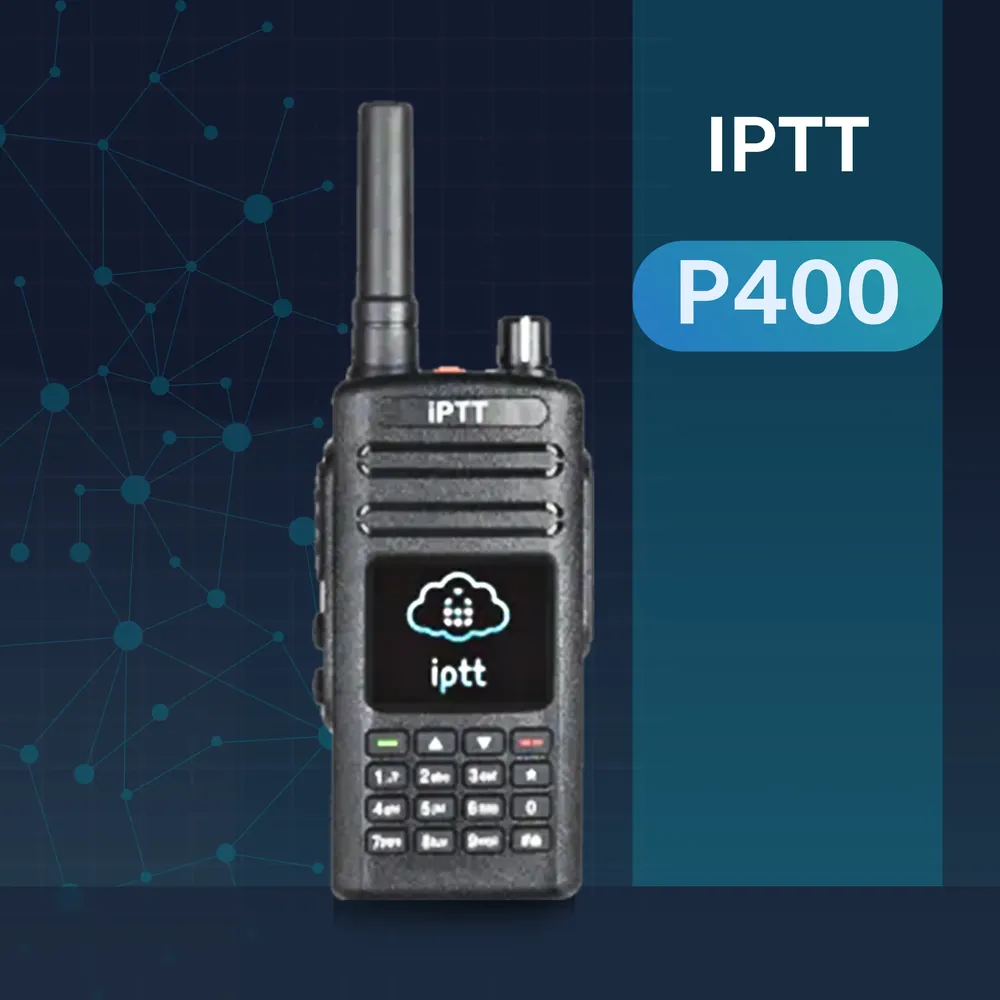
Push-to-Talk over Cellular (PoC)
Push-to-Talk over Cellular systems use mobile networks or Wi-Fi rather than dedicated radio frequencies, which allows communication across a much wider area. This can suit:
- large hotels spread across multiple floors or buildings
- hotel groups managing more than one property
- teams that need coverage beyond a single site
PoC systems can also offer features such as group management and, in some cases, location tracking, which may help with coordinating larger or more dispersed teams. As with any system, actual performance depends on network coverage and the specific setup at a given property.
| Feature | Traditional two-way radios | PoC radios |
|---|---|---|
| Best suited for | Single-site, smaller properties | Larger or multi-site hotel operations |
| Coverage | Limited to defined radio range | Wider, dependent on mobile network coverage |
| Multi-site communication | Generally not supported | Can support communication between sites |
| Group communication | Yes, within range | Yes, including across wider areas |
| Typical management needs | Simple, low-maintenance setup | Central management and group oversight |
| Key limitation | Restricted range and site coverage | Relies on mobile network availability |
Common Communication Challenges in Hotels
Several recurring issues come up across hospitality properties, regardless of size.
Basements, plant rooms and other service areas often have poor signal, which can cut staff off from the wider team when they need it most. Multi-storey buildings introduce a similar problem, where a system that works well on one floor may not reach reliably to another.
Hotels with separate buildings, annexes or multiple sites face a further challenge: keeping every team connected across locations rather than just within one building. Where staff fall back on mobile phones to fill these gaps, coordination tends to slow down, since calls and messages are one-to-one rather than group-based.
Managing several departments at once compounds all of the above. Left unaddressed, these gaps can affect both guest service and staff safety.
What to Consider When Choosing a Hotel Communication System
Selecting the right system depends on how a property actually operates day to day, rather than any single feature. It is worth weighing up the following:
- Coverage across the property: including basements, service areas and any separate buildings, since signal can vary significantly by location
- Ease of use and staff training: UK hospitality has one of the highest staff turnover rates of any sector, recorded at 38.7% in 2024, so a system needs to be simple enough for new starters to use with minimal training
- Battery life and shift reliability: devices should be able to last a full shift without needing to be swapped or recharged mid-service
- Durability and working environment: hospitality settings can be demanding on equipment, from kitchens to outdoor areas
- Team communication and group calling: the ability to reach a whole department, or a specific group within it, in one go
- Scalability: whether the system can grow as a hotel expands or adds sites, without a complete overhaul
- Network reliability: particularly relevant for PoC systems, which depend on mobile network or Wi-Fi coverage
- Support and ongoing management: how easily the system can be administered, and what support is available if something goes wrong
Before you commit
No system can guarantee perfect coverage in every location, so it is worth testing any option against the specific layout of your property before committing.
How iPTT Can Support Hotel Communication
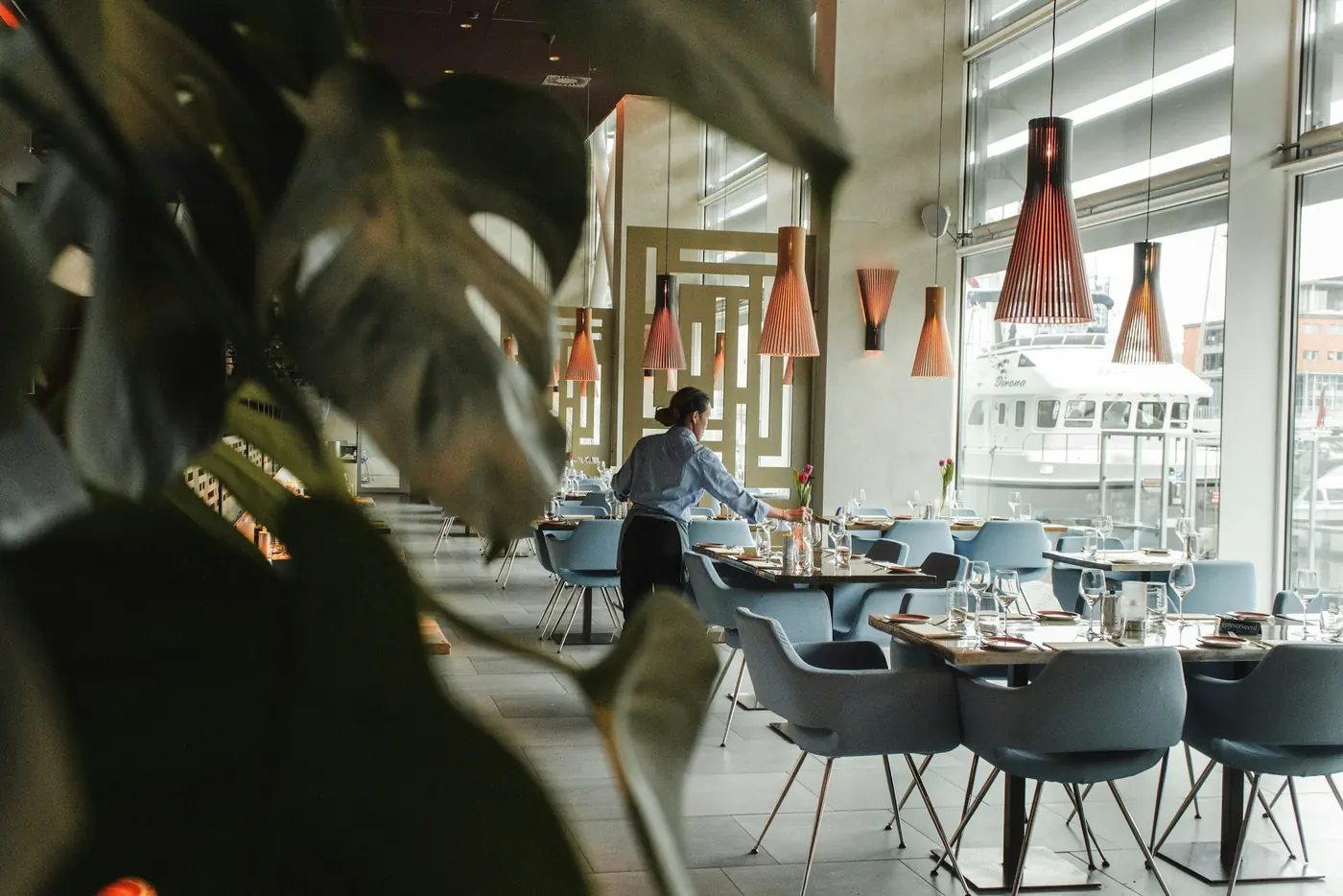
iPTT works with organisations across the UK on Push-to-Talk over Cellular solutions, and hospitality is one of the sectors this can be relevant to. For hotels managing wide-area coverage, multiple buildings or several sites, PoC-based communication may support better coordination between departments than mobile phones alone.
Where a property is reviewing its current setup, iPTT can be a useful starting point for working through what wider-area, group-based communication could look like in practice.
Conclusion
In hospitality, communication is not simply a convenience — it directly shapes the guest experience, from how quickly a room issue is resolved to how smoothly a busy check-in period runs.
As hotels grow in scale and complexity, whether through more floors, more buildings or more sites, the systems that keep teams connected become more important, not less. If your organisation has not reviewed its communication setup recently, it may be worth checking whether your current approach still matches how your teams actually work.
FAQs
What communication systems do hotels use?
Hotels commonly use two-way radios or Push-to-Talk systems to give staff instant communication between departments such as reception, housekeeping and maintenance. The right choice generally depends on the size of the property and how many buildings or sites are involved.
Are radios better than mobile phones in hotels?
Radios allow instant, group-based communication without needing to dial or message people individually, which tends to be faster in busy hospitality settings. Mobile phones can still play a role, particularly for one-to-one conversations, but they are less efficient for coordinating several people at once.
Do hotels still use walkie-talkies?
Yes, many hotels continue to use traditional two-way radios, particularly smaller properties or those operating from a single site. They remain valued for their simplicity and reliability within a defined coverage area.
What is the best communication system for large hotels?
Larger hotels, and those with multiple buildings or sites, often find that Push-to-Talk over Cellular systems suit their needs better than traditional radios, since PoC can offer wider coverage. The right option still depends on the specific layout and operational needs of the property.
Can PoC radios be used in hospitality?
Yes, PoC systems are used in a range of hospitality settings where teams need communication that extends beyond a single building or site. They can also offer features such as group management, which some larger operations find useful.
How can hotels improve communication between departments?
Reviewing where communication tends to break down, such as basements, multi-storey areas or between separate buildings, is a useful starting point. From there, moving from ad hoc mobile phone use to a structured, group-based system such as two-way radios or PoC can help departments stay aligned.
Reviewing How Your Hotel Teams Stay Connected?
If your property is weighing up wider-area, group-based communication across floors, buildings or sites, book a short call with iPTT to talk through what PoC could look like in practice.