Transport Communication Systems for UK Logistics Teams
How two-way radios and Push-to-Talk over Cellular keep drivers, depots and dispatch teams connected across routes and sites, where communication tends to break down, and what to weigh up when choosing a system

Transport communication systems keep logistics operations moving by connecting drivers, depots and dispatch teams in real time. From coordinating delivery drivers and warehouse crews to managing routes and responding to delays, reliable communication is what keeps a fast-moving operation efficient and dependable.
Logistics is one of the UK’s largest sectors, generating around £170 billion a year and employing more than 8% of the workforce (Logistics UK, 2025). Those operations are spread across vehicles, depots and supply chains, with drivers on the road, teams in depots and managers overseeing everything remotely. Without a structured communication system, it becomes hard to keep everyone aligned and to react quickly as the day changes.
This article covers what transport communication systems are, how logistics teams use them, where communication tends to break down, the difference between traditional two-way radios and Push-to-Talk over Cellular, and what to weigh up when choosing a system.
What Are Transport Communication Systems
Transport communication systems are the tools and technologies that keep logistics teams connected across vehicles, depots and work sites. They are built for instant communication between drivers, dispatch teams and on-site staff, so information moves the moment it is needed.
In many organisations this means two-way radios or Push-to-Talk systems that connect at the press of a button. Unlike mobile phones, which rely on one-to-one calls or messages, these systems support real-time group communication and faster coordination across whole teams at once.
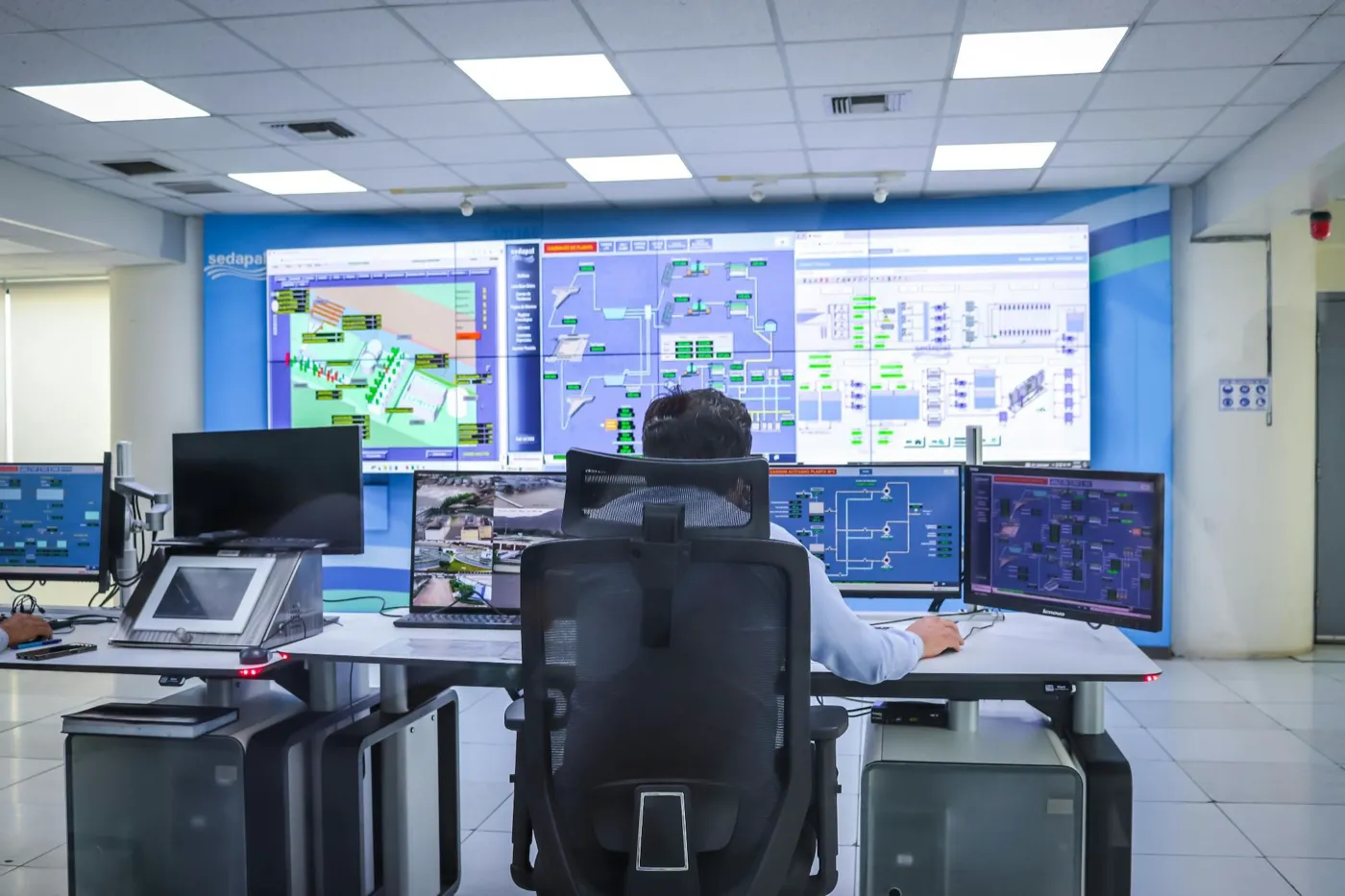
Why Communication Is Critical in Logistics Operations
Communication is critical in logistics because the operation never stands still. Vehicles are moving, schedules are changing and teams are working across different locations at the same time, so a shared, instant channel is what keeps everyone coordinated when plans shift.
Reliable communication helps logistics teams manage several things at once.
| Operational area | How communication helps |
|---|---|
| Route changes and traffic delays | Drivers are redirected quickly without stopping to make calls |
| Delivery updates and scheduling | Changes reach dispatch and customers in real time |
| Driver and dispatch coordination | Both sides stay aligned on status and priorities through the day |
| Incidents and issues on the road | Problems are reported and actioned the moment they arise |
| Multi-site visibility | Managers can track activity and step in across locations |
Without dependable communication, small disruptions quickly turn into delays, missed deliveries and lost efficiency.
Where Communication Breakdowns Happen in Transport
Communication breaks down in logistics at the predictable weak points, poor signal, reliance on one to one calls, and a lack of central visibility. Knowing where these gaps appear makes them easier to design around.
Drivers may hit poor signal in rural areas or industrial zones, and warehouse teams often work where mobile reception is limited. Part of this is down to relying on a single mobile network, since no one operator covers everywhere.
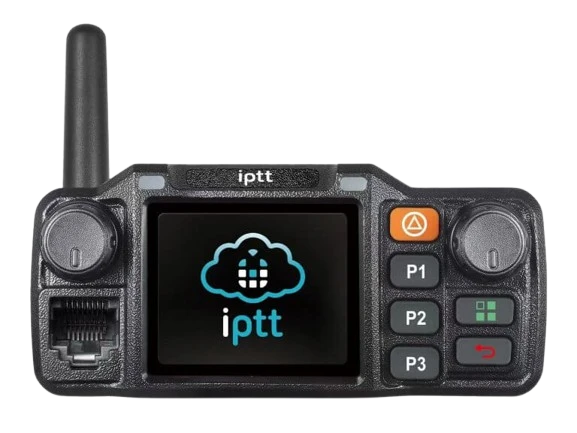
A multi-network SIM like iPTT’s helps here, switching automatically between the UK networks so a device stays on the strongest available signal. Leaning only on phone calls slows things down, particularly when several people need updating at once.
In larger fleets and multi-site operations, a lack of central visibility makes it hard for managers to track activity and respond quickly, and those gaps lead to delays, miscommunication and inefficiency across the board.
How Logistics Teams Use Radio Communication Systems
Logistics teams use communication systems at every stage of the operation to stay connected in real time. The need is the same across the board, reaching the right person instantly, but how it plays out differs by role.
Fleet and Driver Coordination
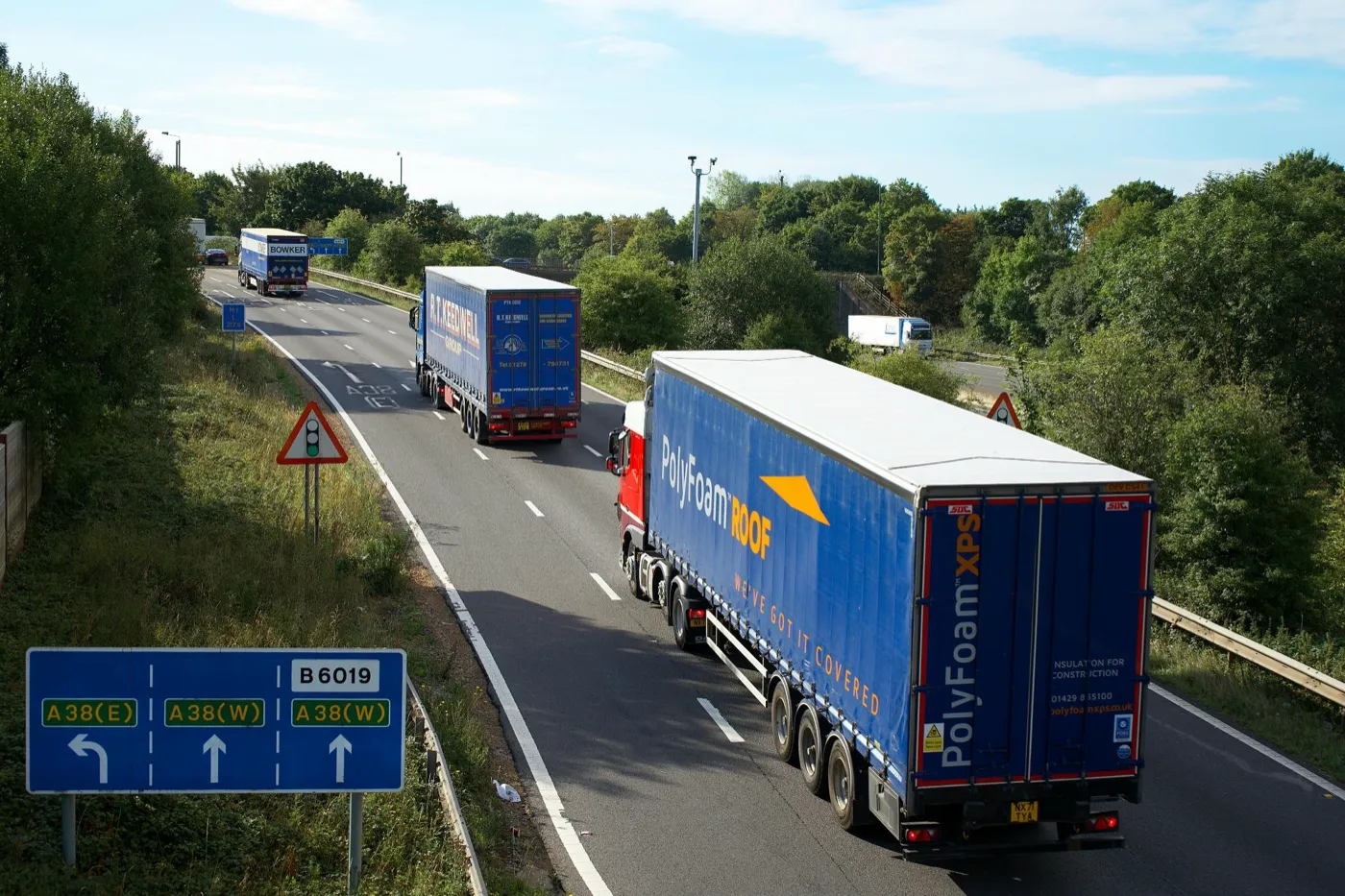
Drivers rely on communication systems to stay in contact with dispatch throughout their routes. It lets them receive updates, report delays and respond to changes without pulling over to make a call, which keeps both delivery times and road safety on track. Paired with a Bluetooth push-to-talk button or a fitted speaker mic, it works hands-free, so drivers can stay in contact without taking their hands off the wheel.
Warehouse and Depot Communication
Within depots and warehouses, teams use radios to coordinate loading, unloading and inventory movement. Instant communication keeps tasks moving and cuts the delays that build up when teams have to track each other down.
Multi-Site and Regional Operations
For organisations operating across several locations, Push-to-Talk over Cellular connects teams in different depots or regions on one system. That matters most for coordinating deliveries, managing schedules and keeping operations consistent across sites. Vehicle-mounted units such as the iPTT M400 extend the same communication into the cab for drivers covering longer distances. A single talkgroup can connect drivers, yard staff and the transport office at once, while dispatcher software lets the office see vehicle locations on a map and coordinate from one place.
Types of Communication Systems Used in Transport
Different logistics environments need different communication approaches depending on scale and complexity. Most come down to two options, traditional two-way radios and Push-to-Talk over Cellular, and larger operations tend to use both.
Traditional two-way radios are common within warehouses and depots where teams work inside a defined area. They give instant communication and are simple to use, which makes them effective for on-site coordination, though their range is limited once teams spread across larger areas or multiple sites.
Many logistics organisations now add Push-to-Talk over Cellular for wider needs. These systems run over mobile networks or Wi-Fi, so teams stay connected across large areas without the range limits of traditional radio. Around 96% of the UK landmass has 4G coverage from at least one mobile operator (Ofcom, 2025), which is what makes cellular-based communication viable for drivers and teams spread across routes and regions. Running over mobile networks rather than dedicated frequencies also means PoC needs no Ofcom spectrum licence, so adding vehicles or sites is simpler as an operation grows.
| Traditional two-way radios | Push-to-Talk over Cellular |
|---|---|
| Best for on-site work in warehouses and depots | Best for drivers, multi-site and regional operations |
| Coverage limited to the radio system’s range | Wider coverage based on mobile network availability |
| Group communication within range | Group communication across sites and regions |
| Simple, low-maintenance setup | GPS tracking, dispatcher integration and central oversight |
| Main limitation is restricted range | Main limitation is reliance on the mobile network |
As with other industries, PoC is typically used alongside traditional radios rather than replacing them entirely.
Layered Communication in Logistics
Larger logistics operations rarely rely on a single system. Most take a layered approach, using traditional radios for on-site coordination within a depot and wider-area systems to connect drivers, managers and multiple locations. Combining the two reduces reliance on any one method and lets an operation match the tool to each job.
What to Consider When Choosing a Transport Communication System
The right system depends on how the operation runs day to day, not on any single feature. It is worth weighing up the following.
- Coverage across delivery routes, depots and remote areas, especially for teams working nationwide
- Ease of use, since drivers need to communicate quickly and safely without distraction
- Battery life that lasts a full shift for handheld units, since in-cab radios run off the vehicle’s power
- Instant group communication to keep teams coordinated
- Scalability, so the system can grow with the operation without adding unnecessary cost or complexity
Smaller teams working from a single site may find traditional radios enough, while larger operations with multiple depots and mobile teams usually need broader coverage. Many businesses combine both to support local coordination and wider communication at the same time. In practice this often means a mix of fitted radios in the cabs, handhelds for yard and depot staff, and dispatcher software in the office.
Before you commit
No system guarantees perfect coverage everywhere, so it is worth testing any option against your real routes and sites before rolling it out.
How iPTT Can Support Transport and Logistics Communication
iPTT works with organisations across the UK on Push-to-Talk over Cellular communication, and logistics is one of the settings where it fits well. For operations running across routes, multiple depots or regional sites, PoC can support better coordination between drivers, warehouses and dispatch than mobile phones alone. Where a business is reviewing its current setup, iPTT can be a practical starting point for working through what wider-area, group-based communication could look like in practice.
iPTT’s radios are already relied on in demanding, safety-critical sectors. Speedy Hire, which supplies iPTT’s Push-to-Talk radios to its own customers, sums up why reliability matters.
“Their products give our customers the seamless, reliable technology they rely on to operate safely and efficiently. For a business like ours, that reliability is crucial, as our reputation depends on the technology we deliver.”
Conclusion
Transport communication systems are a core part of how UK logistics operations stay efficient. From coordinating drivers and managing deliveries to supporting warehouse teams and responding to disruption, reliable communication keeps the whole operation moving.
As logistics networks grow more complex and spread out, organisations increasingly rely on systems that offer flexibility, coverage and real-time coordination across teams. If you have not reviewed how your teams stay connected recently, it is worth checking whether your current setup still matches how the operation runs.
Reviewing How Your Logistics Teams Stay Connected
If you are weighing up wider-area, group-based communication across drivers, depots and dispatch, iPTT can talk it through with you.
Frequently Asked Questions About Transport Communication Systems
What are transport communication systems?
Transport communication systems are tools used to keep logistics teams connected across vehicles, depots and operational sites. They enable real-time communication between drivers, dispatch teams and on-site staff, usually through two-way radios or Push-to-Talk systems.
Are radios better than mobile phones for logistics teams?
Radios allow instant group communication without dialling or messaging people individually, which makes them faster and more efficient for coordinating teams. Mobile phones still have a place for one-to-one calls, but they are slower when several people need updating at once.
How do logistics companies communicate with drivers?
Logistics companies typically use radio systems or Push-to-Talk over Cellular to stay in contact with drivers, so they can share updates, manage routes and respond to issues in real time without the driver stopping to make a call.
How can logistics teams improve communication across drivers and depots?
A good starting point is to map where communication tends to break down, such as rural signal gaps, warehouse dead spots or between separate sites. From there, moving from ad hoc phone calls to a structured, group-based system, and using Push-to-Talk over Cellular where wide-area or multi-site coverage is needed, keeps drivers, depots and dispatch aligned across the whole operation.