Africa Calling: Global PTT Radio Solutions from iPTT
iPTT Team · 6 January 2025
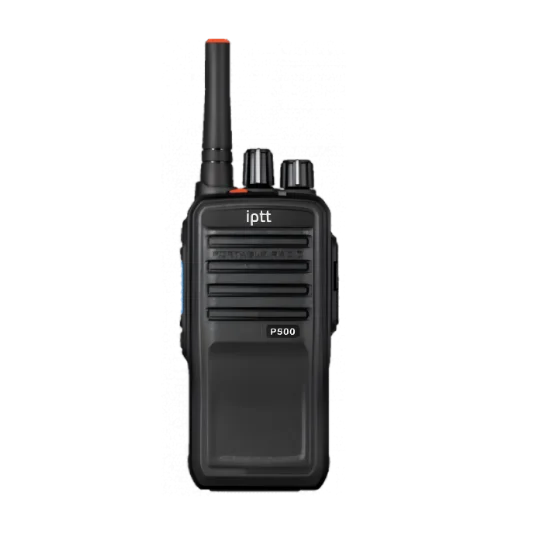
Push-to-talk over cellular is often sold as a national service. We wanted to know what happens when you stretch it a great deal further than that, so we put two iPTT radios on the same talkgroup and placed them roughly 6,500 km apart — one in Kigali, Rwanda, the other in the UK.
How We Tested Global PTT
Both radios ran the standard iPTT service over commercial 4G networks — no private infrastructure, no satellite backhaul and no special configuration. The Rwandan handset registered on a local mobile network via the iPTT multi-network SIM, exactly as it would for a customer operating overseas. The UK handset stayed on its normal home network. From the dispatcher, both appeared as ordinary members of the same talkgroup.
What the Results Showed
Voice quality was clear in both directions and latency stayed low enough that conversation felt natural rather than stilted — the pause before audio arrived was comparable to a call between two UK sites. GPS positions from the Rwandan radio appeared on the iPTT Dispatcher map in the UK, and dynamic group calling worked as expected, letting us move the overseas handset between talkgroups on the fly.
Why It Matters
For organisations with teams working across borders — NGOs, humanitarian aid programmes, international construction projects, logistics operators and security firms — this means a single communication system can cover everyone. There is no need to run separate radio estates per country, apply for local spectrum licences, or ship repeaters and base stations to site. Anywhere with a usable mobile signal is inside your coverage area.
The same principle underpins our multi-network SIM, which roams across four UK networks and more than 200 countries. If you would like to see this for yourself, read about our European PoC testing or get in touch to arrange a demonstration.